25 Important Questions to Ask Before Buying Land in Nigeria: A Complete Buyer’s Guide to Avoid Costly Mistakes
Introduction: Don’t Buy Land Until You Ask These Questions
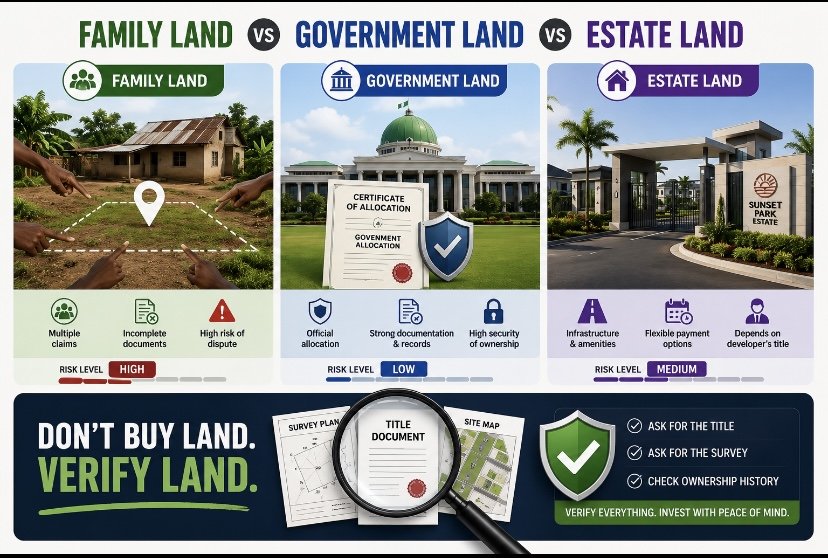
For many Nigerians, owning land is a lifelong dream. Whether you are acquiring land to build your family home, develop a commercial property, or secure your future through investment, one wrong decision can turn that dream into a painful experience.
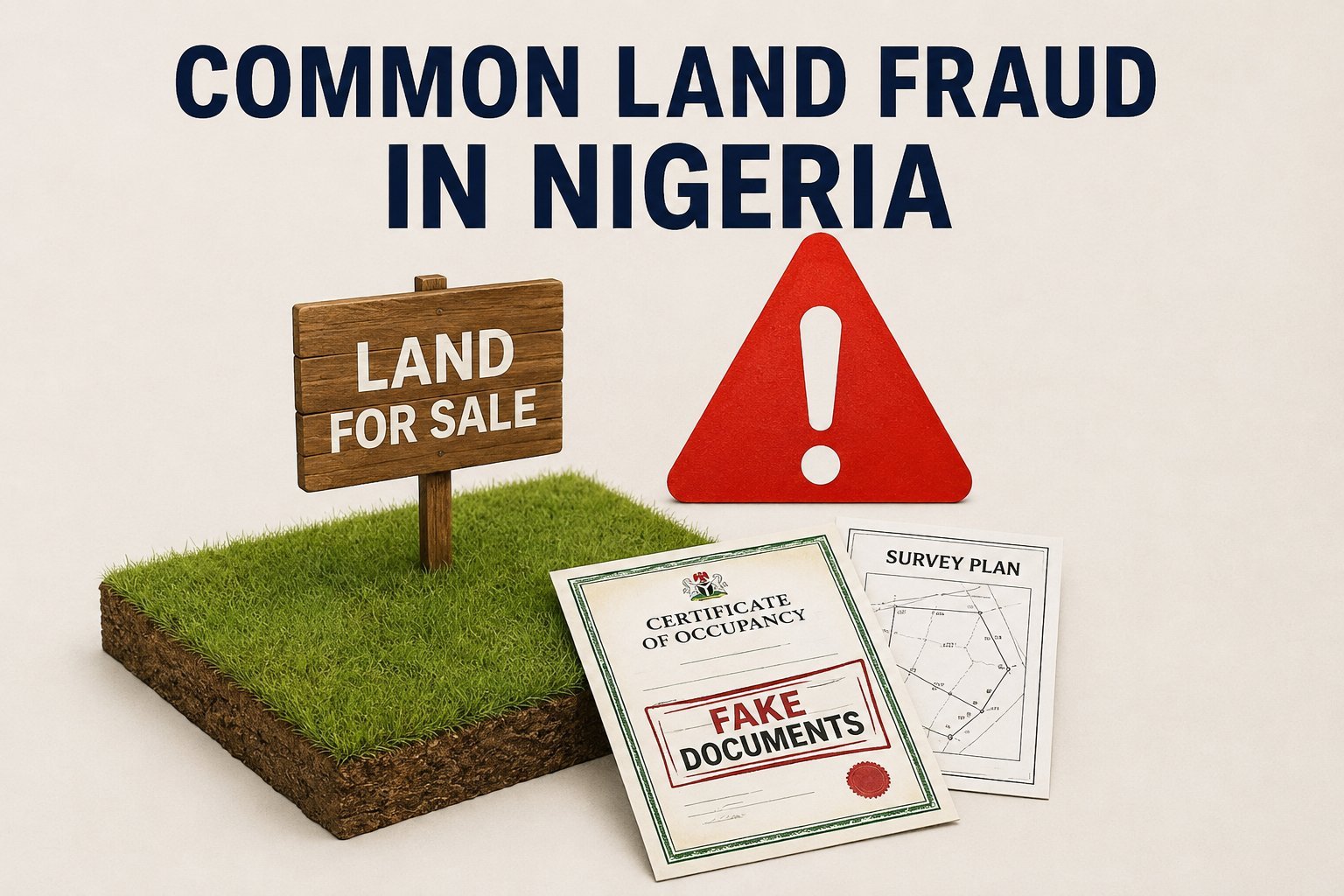
Every year, many people lose millions of naira due to land fraud, ownership disputes, fake documents, or buying properties affected by government acquisition. The truth is that a beautiful location or a surprisingly low price does not always mean a safe investment.
The smartest land buyers are not the ones who rush to make payment—they are the ones who ask the right questions, carry out proper verification, and seek professional guidance before making any commitment.
At Bomach Group, we believe that informed buyers make smarter investments. Through our commitment to transparent real estate practices, we continue to educate Nigerians on safe property acquisition. You can learn more about our real estate services and available properties by visiting www.bomachgroup.com.
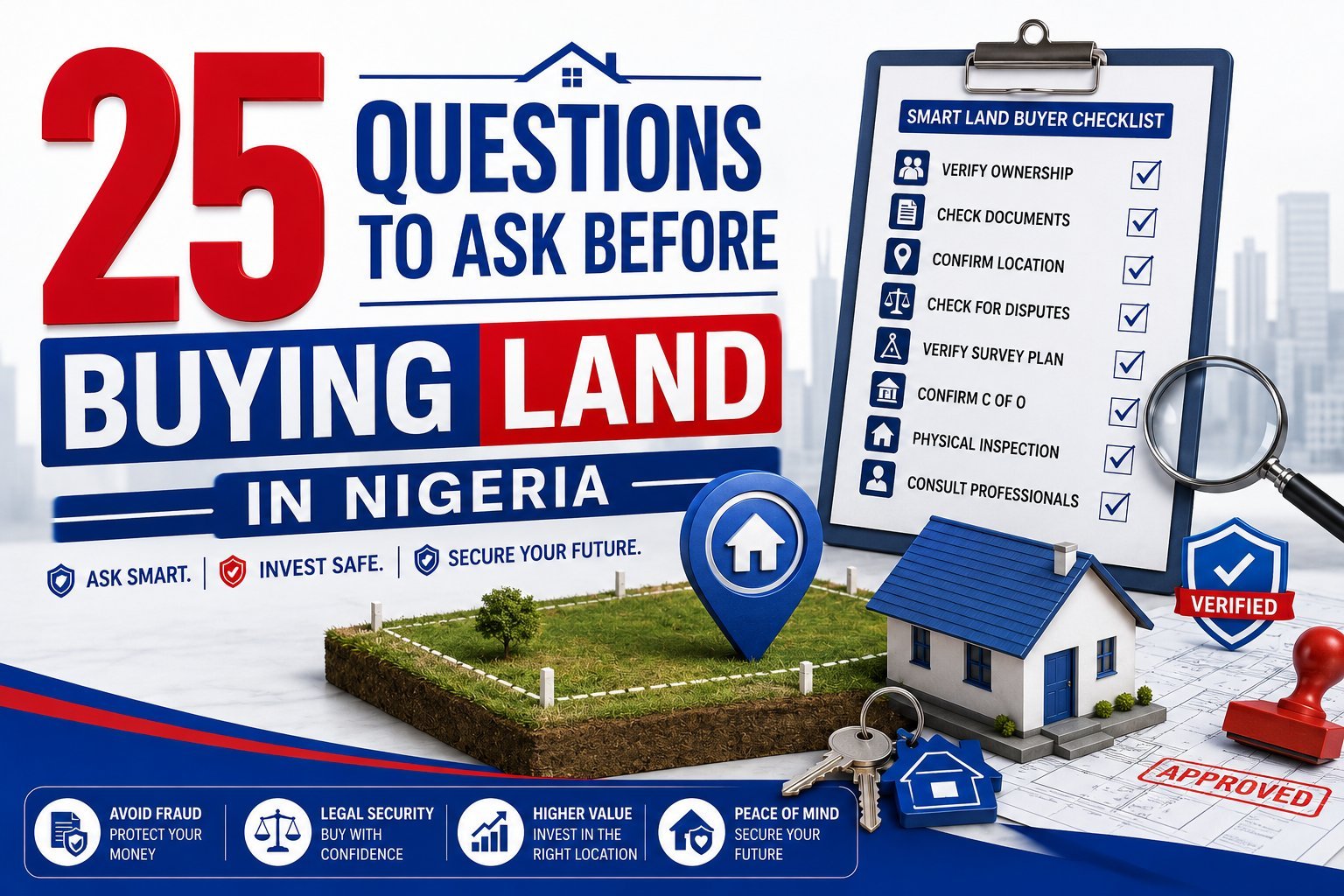
Before you purchase any land in Nigeria, here are 25 important questions you should ask to protect your money and invest with confidence.
1. Who Is the Actual Owner of the Land?
The first and most important question is: Who truly owns the land?
Do not rely solely on the person introducing the property or showing you around the site. Confirm that the seller is the rightful owner and has the legal authority to transfer ownership.
If it is family-owned land, ensure that all necessary family representatives have agreed to the transaction.
2. What Documents Does the Land Have?
Always ask for the available land documents.
Common documents may include:
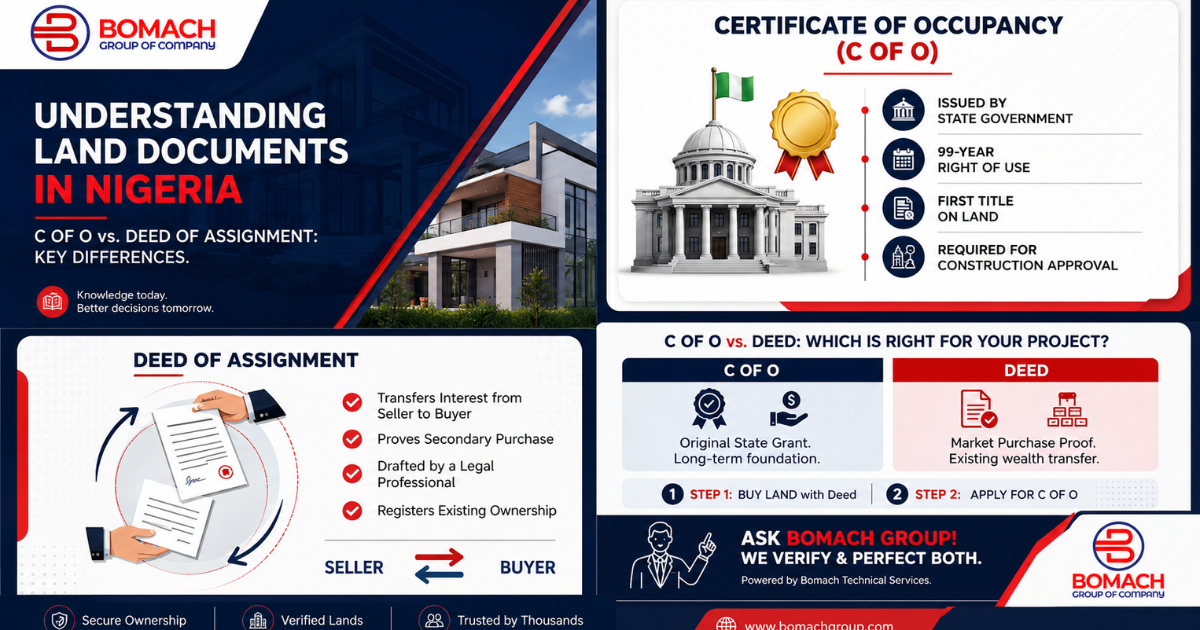
Certificate of Occupancy (C of O)
Deed of Assignment
Survey Plan
Registered Deed
Governor’s Consent (where applicable)
These documents help reveal the legal history and status of the property.
3. Has the Land Title Been Verified?
Never accept land documents at face value.
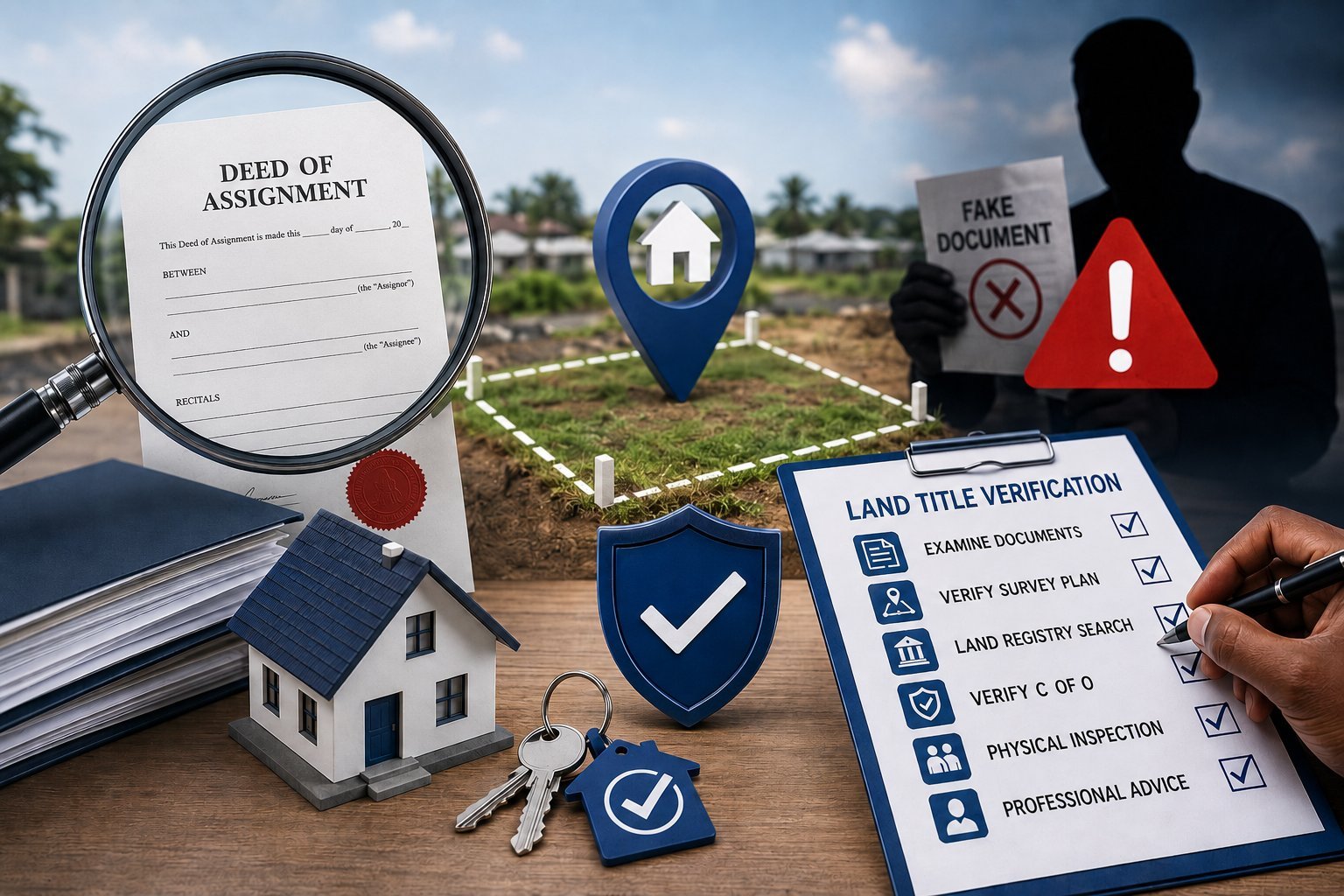
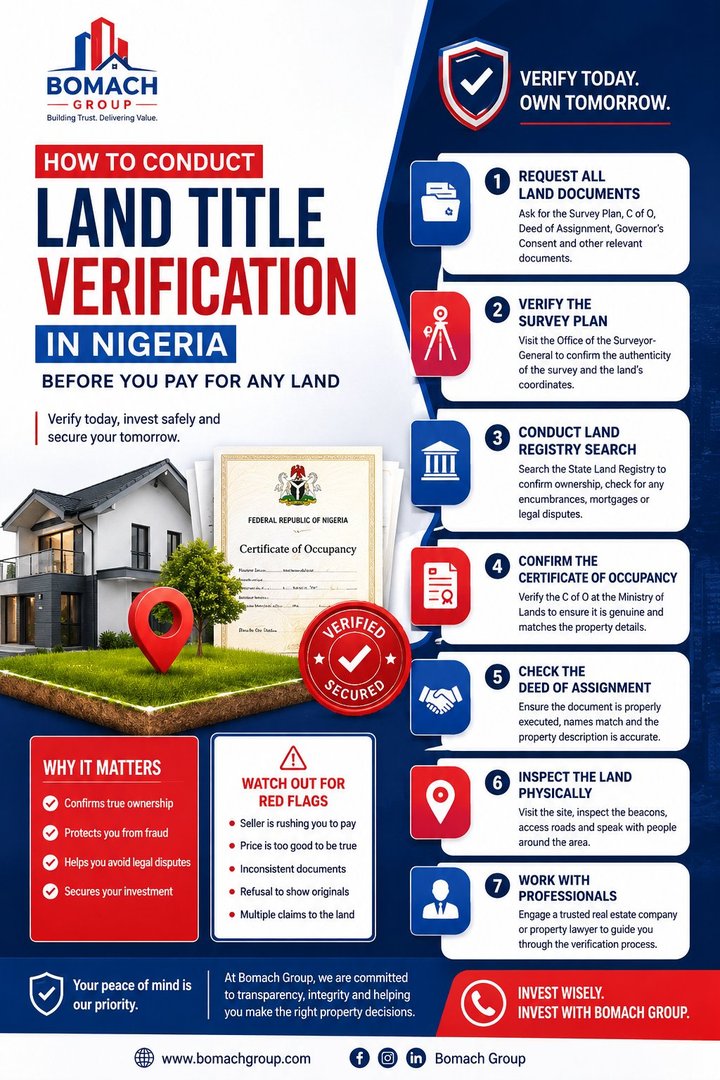
A document may look genuine, but may not represent a valid ownership interest. Conduct proper verification at the appropriate government land registry and involve qualified professionals where necessary.
4. Is the Land Free from Government Acquisition?
Some lands are under government acquisition and may not be legally available for private ownership or development.
Always ask whether the land is free from government acquisition and confirm this through proper verification.
5. Is There Any Dispute or Court Case on the Land?
Some lands may be involved in family conflicts, boundary disputes, or ongoing legal battles.
Ask questions like:
Has anyone else claimed ownership of this land?
Is there any ongoing court case concerning this property?
Buying a disputed land can result in serious financial and legal challenges.
6. Why Is the Seller Selling the Land?
This simple question can reveal important information.
While many sellers have genuine reasons for selling, unusually low prices or pressure to pay immediately should encourage you to investigate further.
7. What Is the Exact Size of the Land?
Never assume the size of a land based on appearance.
Ask for the exact measurement, such as:
450 square meters
500 square meters
600 square meters
One hectare
Ensure that the measurement on the survey corresponds with the actual land being offered.
8. Where Exactly Are the Land Boundaries?
Always visit the property physically.
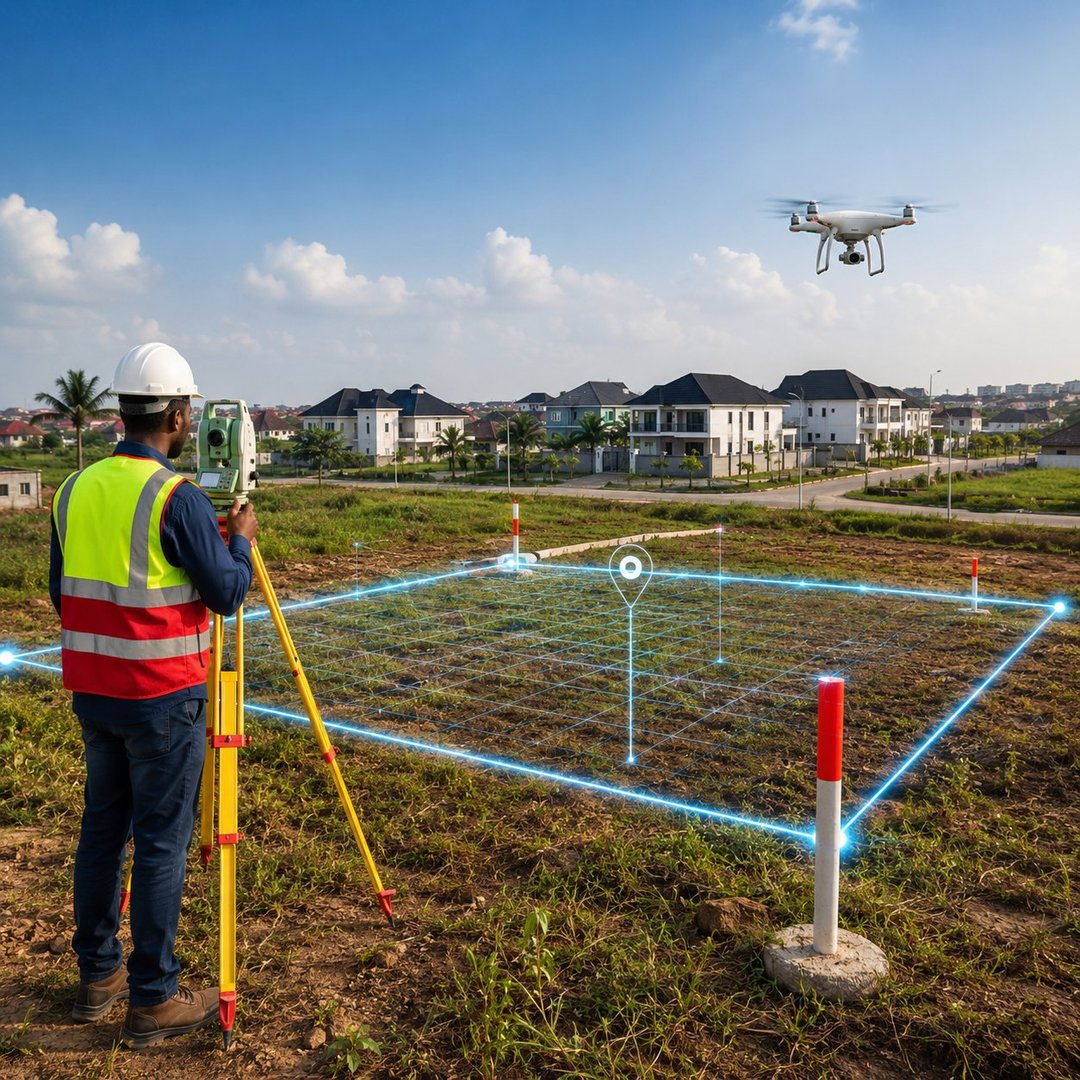
Confirm the survey beacons, boundary points, and neighboring properties to prevent future conflicts.
9. Is the Survey Plan Genuine and Up to Date?
A survey plan identifies the exact location and dimensions of a property.
Request a copy and ensure it is verified by qualified professionals to confirm that it matches the land being sold.
10. What Is the Approved Use or Zoning of the Area?
Not every land can be used for every purpose.
Some areas are designated for:
Residential development
Commercial activities
Agricultural purposes
Industrial projects
Ensure your intended purpose aligns with the approved use of the area.
11. Is the Location Easily Accessible?
A cheap land without proper access may become difficult to develop.
Ask:
Is there a good road leading to the property?
Is the area accessible during the rainy season?
Accessibility plays a major role in convenience and future property appreciation.
12. What Developments Are Around the Area?
The surrounding environment influences the future value of a property.
Look out for:
Good road networks
Schools
Hospitals
Markets
Shopping centers
Existing residential developments
Areas experiencing rapid growth often provide better investment opportunities.
13. Is There Electricity and Other Basic Infrastructure?
Check whether the area has essential facilities such as electricity, water supply, drainage systems, and accessible roads.
Infrastructure significantly affects development costs and the quality of living.
14. Has Anyone Nearby Developed Successfully?
Speak with existing property owners or residents around the location.
They may provide useful information and reveal concerns that a seller might not mention.
15. Is the Land Located in a Flood-Prone Area?
A beautiful property can become problematic during heavy rainfall.
Visit the area during different seasons if possible and ask residents about the flooding history.
16. Are There Any Hidden Charges?
The advertised price may not be the total amount you will spend.
Ask about additional expenses such as:
Survey fees
Documentation fees
Legal fees
Development levies
Agreement fees
Always understand the complete cost before making a payment.
17. Who Will Prepare the Legal Documents?
Every property transaction should be properly documented.
Ensure that qualified legal professionals are involved in preparing and reviewing the necessary documents.
18. Will I Receive a Deed of Assignment After Payment?
A Deed of Assignment is an important document that records the transfer of ownership from the seller to the buyer.
Before completing payment, understand all documents you will receive after the transaction.
At reputable real estate companies like Bomach Group, proper documentation and transparency are essential parts of a secure property transaction. You can explore our real estate solutions and learn more through www.bomachgroup.com.
19. Are There Restrictions on Building?
Some estates and communities have regulations concerning:
Building designs
Height limitations
Types of structures allowed
Development timelines
Always understand these rules before purchasing.
20. Is the Land Suitable for My Intended Purpose?
A land suitable for residential use may not be ideal for commercial or industrial projects.
Always match your investment goals with the characteristics of the property.
21. How Long Has the Land Been Available for Sale?
This question may provide useful insights.
A property that has remained unsold for a long time may require additional investigation.
22. Can I Conduct Independent Verification?
A genuine seller should never prevent you from carrying out your own checks.
Avoid anyone who discourages verification or pressures you into making an immediate payment.
23. Are There Any Community Issues or Family Claims?
In some locations, land may have traditional ownership concerns.
Speak with community members or relevant authorities where necessary to ensure there are no unresolved claims.
24. What Is the Future Potential of the Area?
A wise investor considers both the present and future of a location.
Look out for:
Proposed government projects
New roads
Educational institutions
Commercial developments
Population growth
These factors can significantly increase the value of your investment over time.
25. Have I Consulted the Right Professionals?
Before making any final payment, consult professionals such as:
Real estate experts
Property lawyers
Surveyors
Professional guidance can save you from expensive mistakes and ensure your investment is secure.
Final Thoughts: A Few Questions Today Can Save You Millions Tomorrow
Buying land in Nigeria remains one of the best long-term investments you can make—but only when you buy wisely.
Do not allow emotions, low prices, or the fear of missing out to pressure you into rushing a decision. Take your time, inspect the property physically, verify every document, and work with trusted professionals.
Remember, the safest land purchase is not necessarily the cheapest one—it is the one that has been properly verified and legally secured.
If you are looking for trusted guidance, verified property opportunities, and professional support throughout your real estate journey, Bomach Group is always available to assist you. Visit www.bomachgroup.com to learn more about our properties and services.
A few questions today can protect your investment for generations.