
Why Most Nigerians Never Build Their Dream Home
The first block was laid in 2016.
By the end of that year, the foundation had been completed, the German floor had been cast, and several rows of blocks had begun to reveal the shape of what was supposed to become a magnificent family mansion.
The owner, Chinedu, had imagined everything.
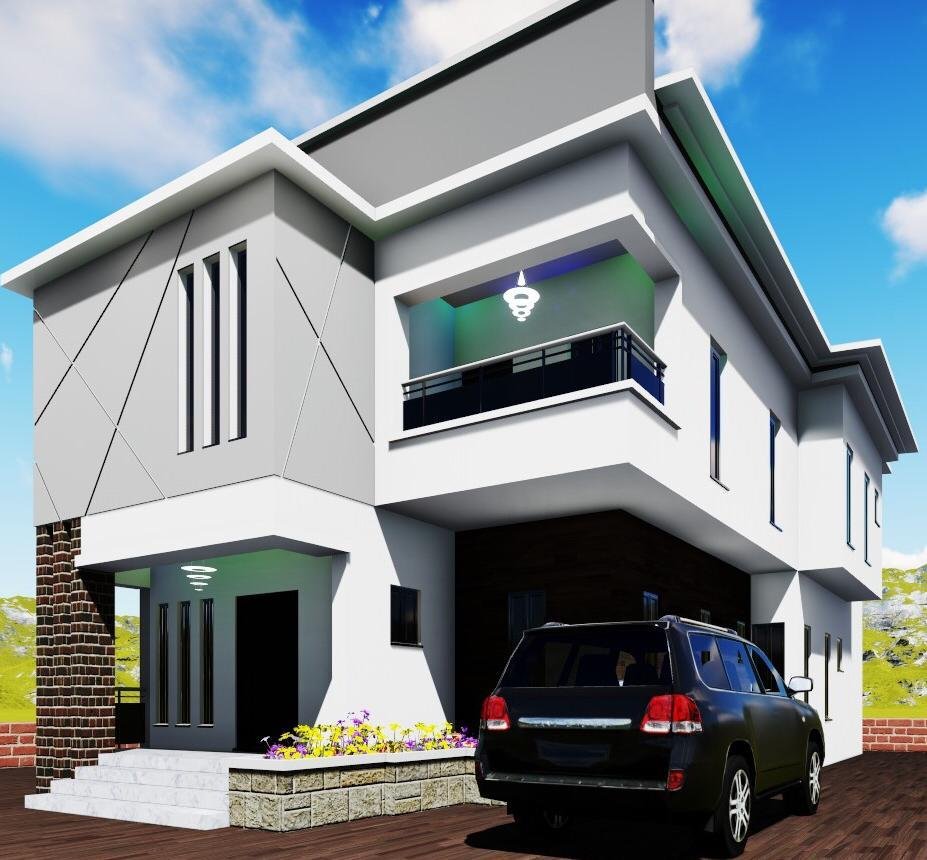
A spacious duplex. Two living rooms. Six bedrooms. A large kitchen with an island. A visitor’s room downstairs.
A private lounge upstairs. A boys’ quarters. Enough parking space for four cars. And, someday, a swimming pool behind the house.
Whenever Chinedu visited the site, he stood in the middle of the unfinished structure and pictured the life he would live there.
His children ran through the rooms.
His friends are arriving for Christmas.
His relatives admired what he had achieved.
His parents proudly tell visitors, “This is our son’s house.”
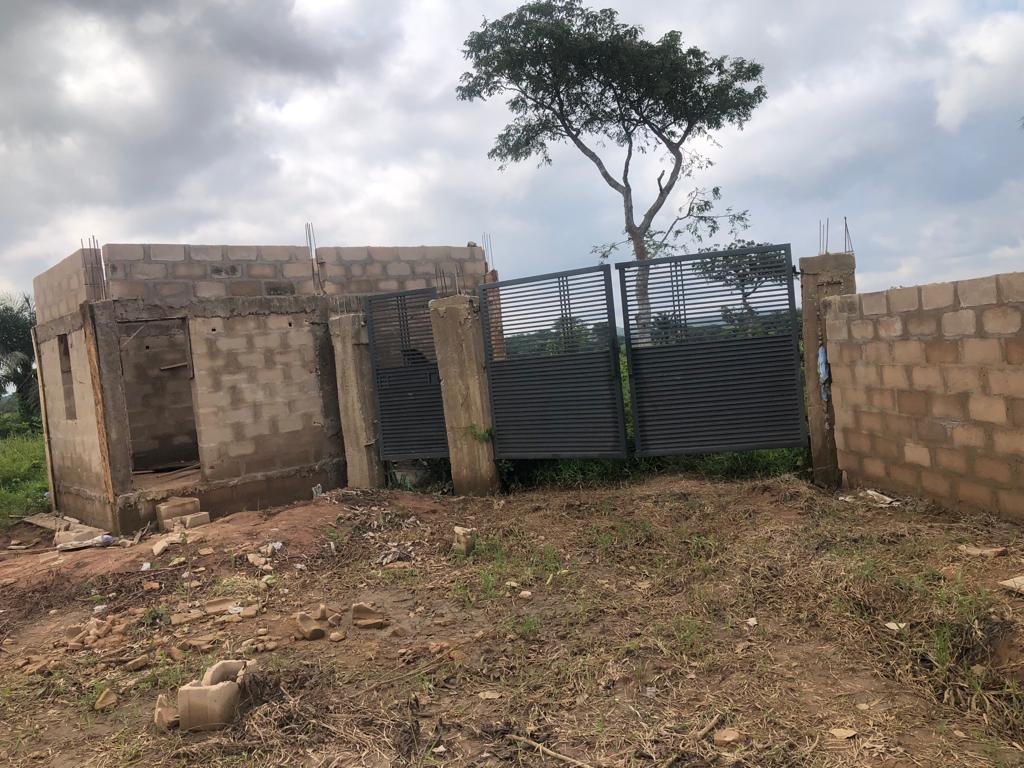
But ten years later, the building is still standing at lintel level.
The blocks have changed colour.
Weeds have taken over the compound.
Some of the wooden materials have disappeared.
Every rainy season, water enters the structure. Every December, Chinedu promises himself that construction will resume the following year.
The problem was never that he did not want the house badly enough.
The problem was that he designed a symbol of success before creating a realistic plan for building a home.
Chinedu’s story is fictional, but the pattern is familiar across Nigeria.
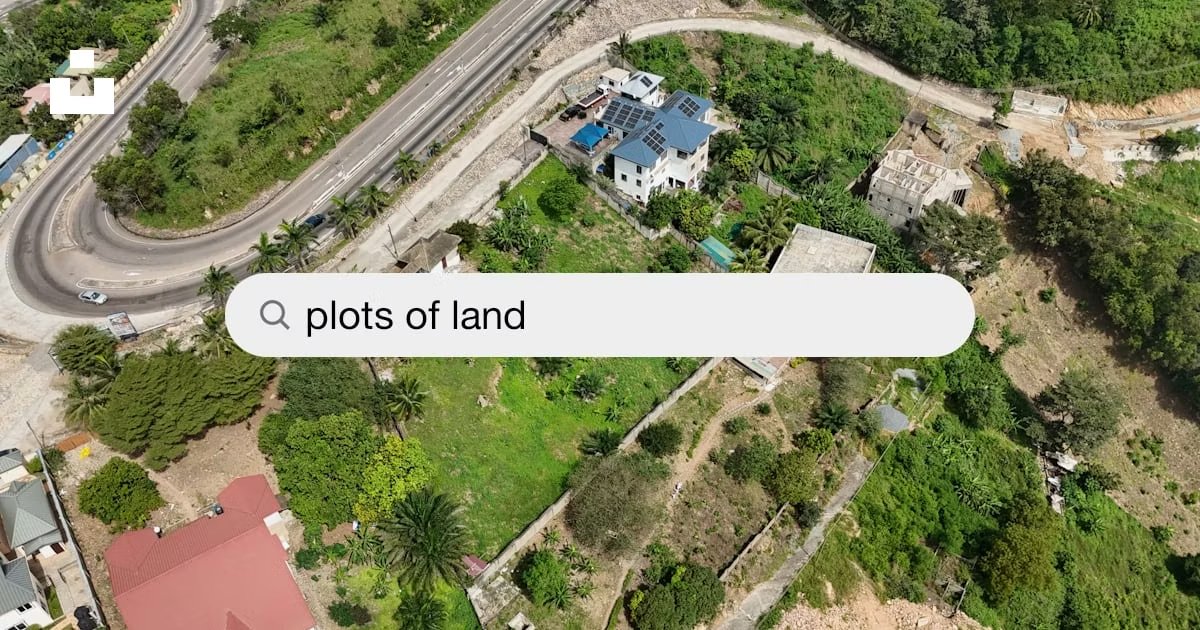
From Lagos to Enugu, Abuja, Port Harcourt, Owerri and villages across the country, many Nigerians own abandoned or permanently unfinished buildings.
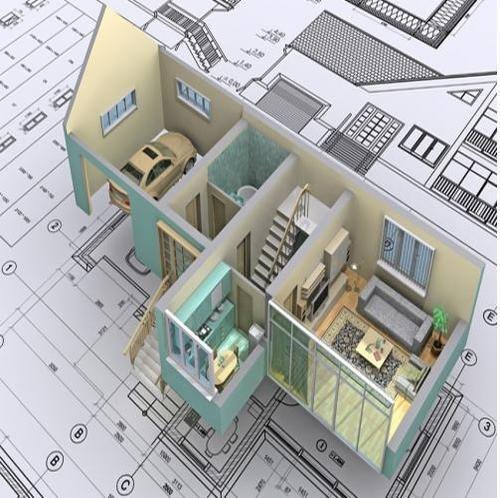
Others have architectural drawings sitting inside cupboards, waiting for the “right time” to begin.
So why do so many Nigerians dream of building beautiful homes but never complete them?
The answer goes deeper than the rising cost of cement.
In Nigeria, a House Is Rarely Just a House
For many Nigerians, building a house is not simply about having somewhere to live.
A house can represent survival, respect, adulthood, family responsibility, financial success, and permanent belonging.
It is the physical evidence that a person’s years of struggle produced something valuable.
This is especially visible during festive seasons. Someone may have lived in Lagos, Abuja, London, Toronto or Houston for decades, but there is often still an expectation that success must eventually “come home” in the form of a building.
In a Nigerian Reddit discussion about large village mansions, contributors described such houses as home bases, symbols of legacy, emergency shelters and evidence that someone had succeeded.
Others pointed to family pressure, social status and the desire to maintain relevance within one’s community.
The discussion was anecdotal rather than academic, but it revealed how emotionally complicated home construction can become in Nigeria.
The pressure is not limited to any single ethnic group.
Across different parts of Nigeria, people build houses in their hometowns even when they spend most of their working lives somewhere else. The house becomes a message:
“I may live elsewhere, but I still belong here.”
“I left home, but I did not forget where I came from.”
“I struggled, and this building is the evidence.”
This emotional meaning is powerful. But it can also cause people to make construction decisions based on public expectations rather than their actual needs.
The Nigerian Dream Home Has Become Bigger and More Complicated
There was a time when the primary goal of building a house was straightforward: create a safe, functional and comfortable place for the family.
The design reflected the owner’s lifestyle, available materials, climate, and income.
Today, the picture has changed.
A discussion of the evolution of Nigerian home construction describes the country’s movement from humble mud houses to modern mansions. Nigerian homeowners now have access to more sophisticated designs, technologies, finishes and construction materials than previous generations.
That progress is positive.
However, social media has also expanded the average person’s definition of a dream home.
A homeowner who originally needed a functional three-bedroom bungalow may begin imagining a five-bedroom duplex after watching property videos online.
Then comes the cinema room.
The walk-in wardrobe.
The double-volume living room.
The rooftop lounge.
The imported doors.
The swimming pool.
The elaborate gatehouse.
The expensive façade was designed mainly to impress people approaching the building.
There is nothing wrong with luxury when it is supported by the owner’s finances. The problem begins when someone designs for the income they hope to earn rather than the income they currently have.
The dream becomes bigger than the budget before the first block is laid.
Why Many Nigerian Dream Homes Remain Unfinished
1. The House Is Designed for Status Instead of Daily Living
One of the biggest mistakes in Nigerian home construction is designing a house around other people’s expectations.
A couple with three children may commission a seven-bedroom duplex because relatives could visit during Christmas.
Someone who lives abroad may build a twelve-bedroom mansion in the village because a smaller house might not appear impressive enough.
A young professional may copy a luxury home seen online without considering whether they can afford to complete, furnish, and maintain it.
The important question is not:
“What kind of house will impress people?”
It is:
“What kind of home supports the life I actually live?”
A house should be designed around the size of the household, the owner’s lifestyle, plans, location, income and maintenance capacity.
When those factors are ignored, the project may become too large to complete.
2. Many People Budget for Starting, Not for Finishing
A common construction mistake is asking:
“How much will it cost to start the foundation?”
The more important question is:
“How much will it cost to complete a functional home?”
Starting a building can create the illusion of progress. A person buys blocks, excavates the foundation, and pays artisans in stages.
But without a complete construction budget, every new stage becomes an unpleasant surprise.
The cost of a house does not end with blocks and roofing sheets.
There are doors, windows, plumbing, wiring, ceilings, tiles, sanitary fittings, painting, wardrobes, kitchen cabinets, drainage, external works, water systems, security features and professional fees.
A building can look almost complete from outside while still requiring a significant amount of money before anyone can live comfortably inside it.
Without a detailed bill of quantities, construction schedule and contingency allowance, the project is controlled by guesses.
And guesses become expensive when building a house in Nigeria.
3. The Owner’s Income Is Not Structured for the Project
A house is a major capital project.
But many people attempt to finance it entirely from whatever remains after salaries, school fees, rent, family responsibilities, medical expenses, and everyday living costs.
Construction then becomes irregular.
Work continues when money is available and stops when another financial responsibility appears.
During every long pause, the project may suffer.
Materials can deteriorate. Prices may change. Artisans may leave. Previous work may require repairs. Security costs continue.
The owner may even lose interest in the original design.
Building gradually is not necessarily a bad strategy. Many Nigerians have successfully completed homes in stages.
The difference is that successful phased construction is planned.
Each phase should have a clear scope, cost, timeline, and stopping point. The building should not simply grow whenever money appears.
4. The Dream Keeps Changing During Construction
Chinedu’s original design did not include a cinema room.
That idea came after his friend completed one.
The stone cladding was not part of the initial plan either. He saw it on Instagram.
The large aluminium windows were introduced after roofing had already begun.
By the time the project reached finishing level, the house being constructed was no longer the house that had been budgeted for.
This is known as scope creep.
Small changes may appear harmless, but every design adjustment can affect labour, materials, electrical installations, plumbing, structural elements and finishing costs.
A homeowner who constantly changes the plan is effectively moving the finishing line while trying to reach it.
5. Some People Build Without Professional Project Management
Many building owners believe hiring qualified professionals is an unnecessary expense.
Instead, the project is handed to a relative, a local artisan or someone who claims to know how construction works.
Materials are purchased without proper measurement.
Work is completed without adequate supervision.
Errors are discovered after money has already been spent.
The owner may receive photographs and progress reports without knowing whether the work matches the approved design or required construction standard.
This problem is even greater for Nigerians living abroad.
Distance creates room for inflated quotations, poor-quality work, material substitution, false progress reports, and repeated requests for additional funds.
Professional supervision does not automatically make a building cheap. It helps ensure that the money being spent produces the intended result.
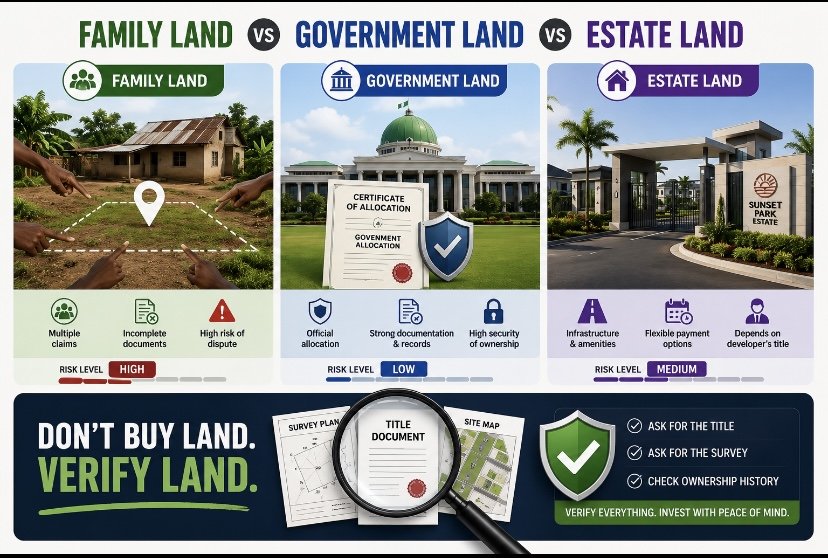
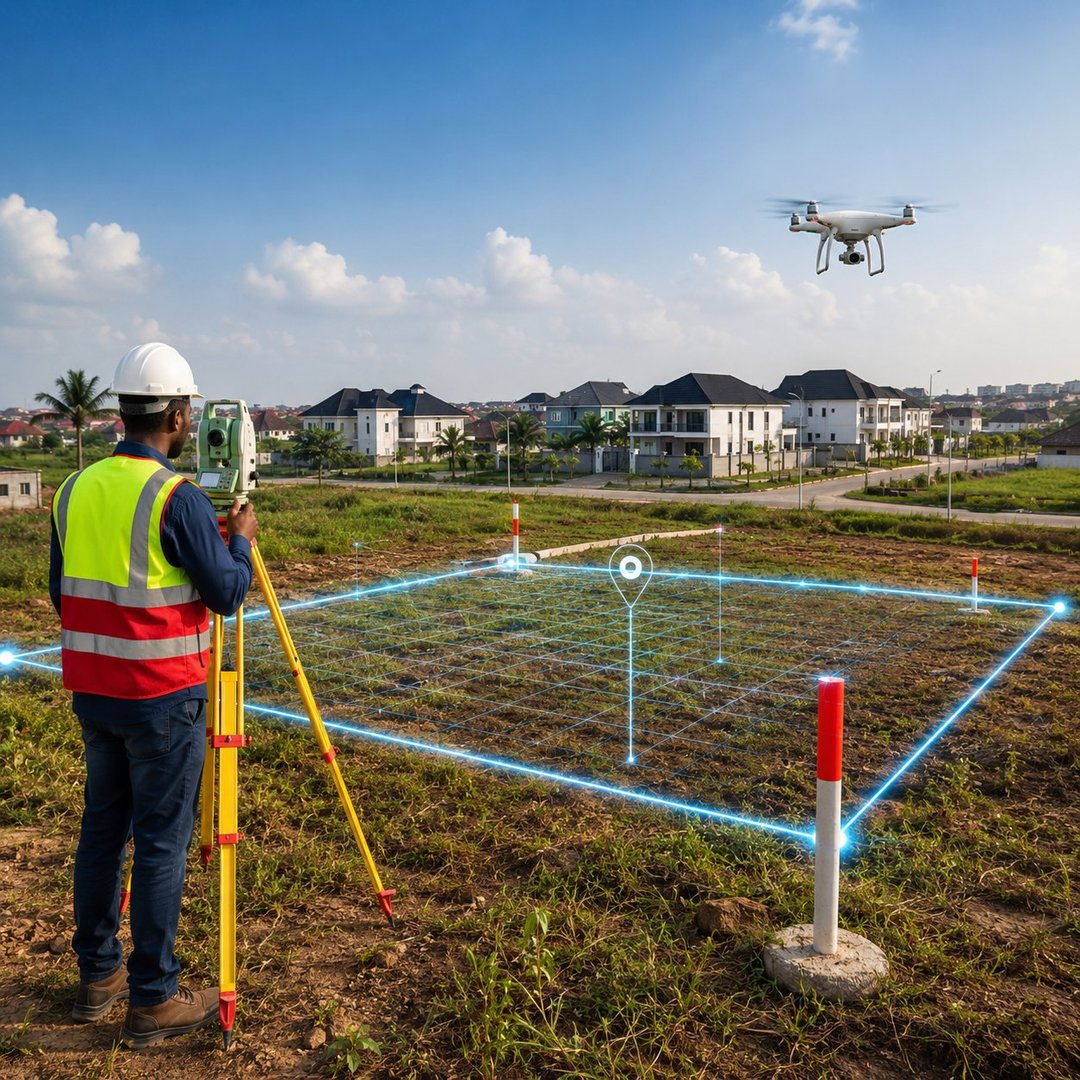
6. The Land Was Acquired Without Proper Verification
Some dream homes fail before construction truly begins.
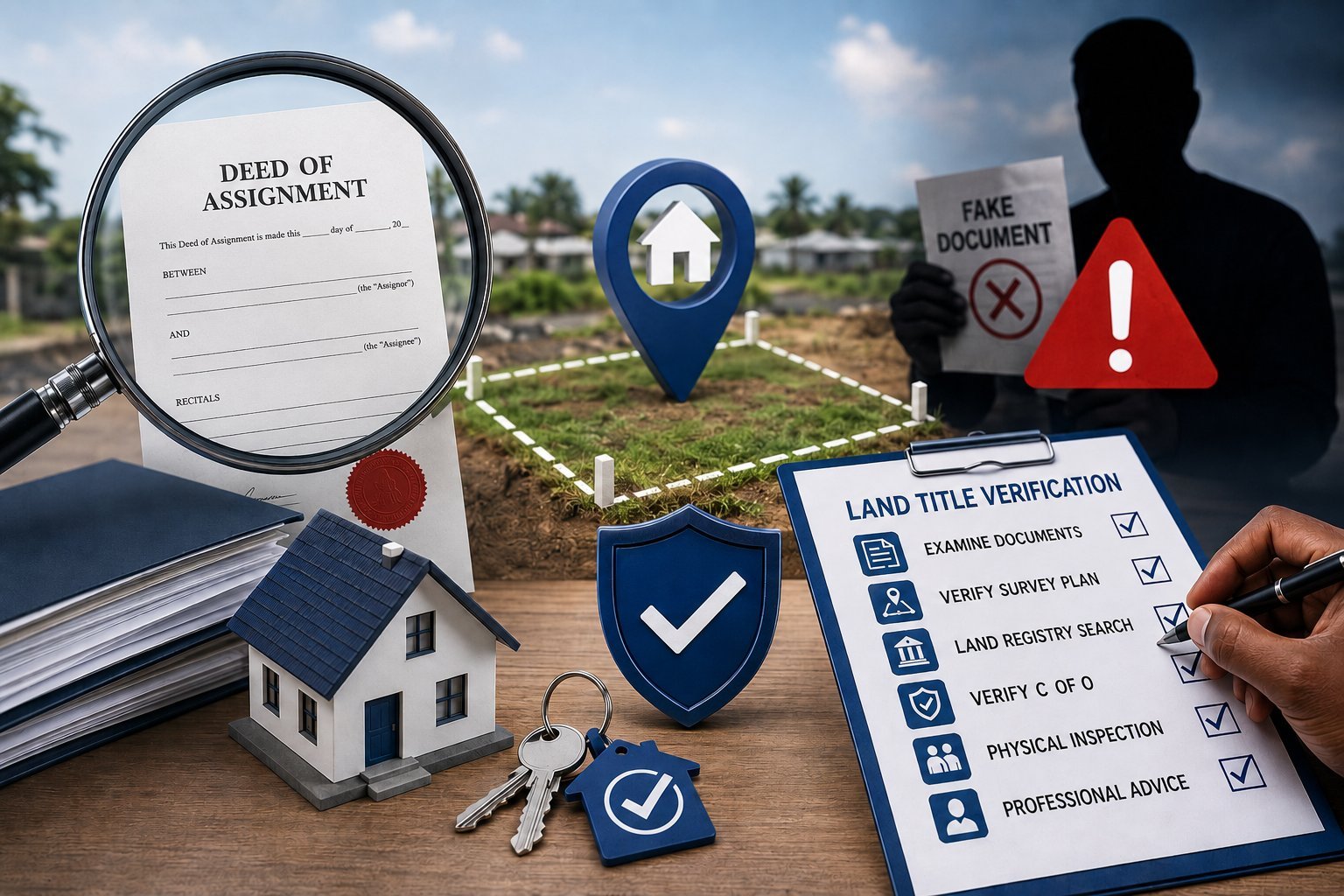
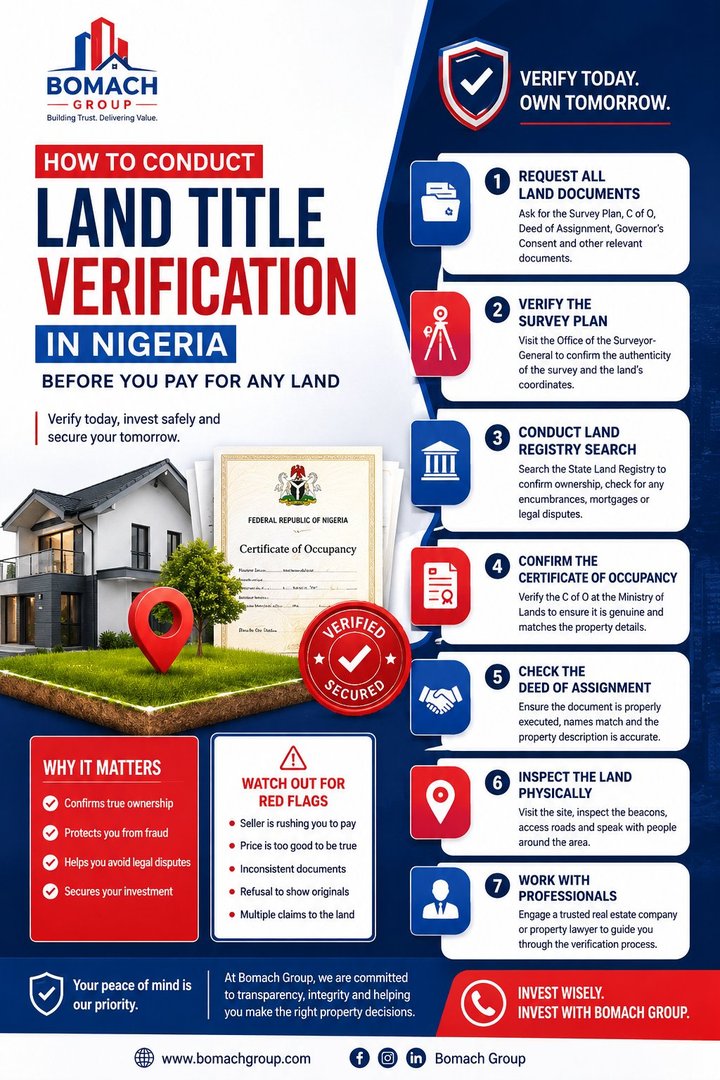
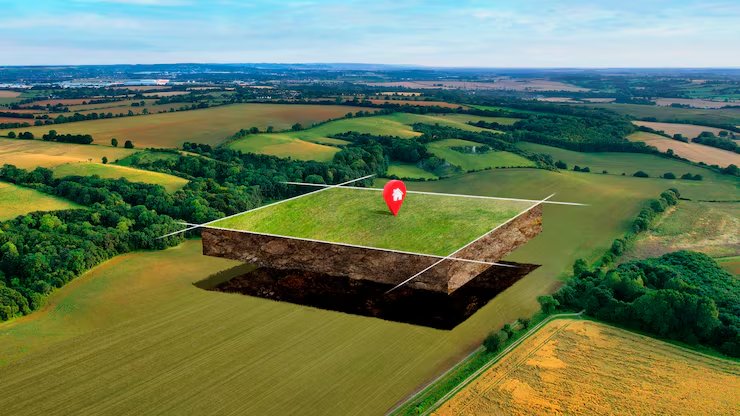
The buyer pays for land without conducting proper searches, confirming ownership, reviewing the title documents, or carrying out a professional survey.
Construction begins, and then a dispute appears.
Another family claims the land.
The boundaries are challenged.
The government acquisition status is questioned.
The access road does not exist.
The building crosses into another person’s property.
The owner may spend years resolving a problem that should have been investigated before payment.
A beautiful architectural design cannot rescue a project built on uncertain land.
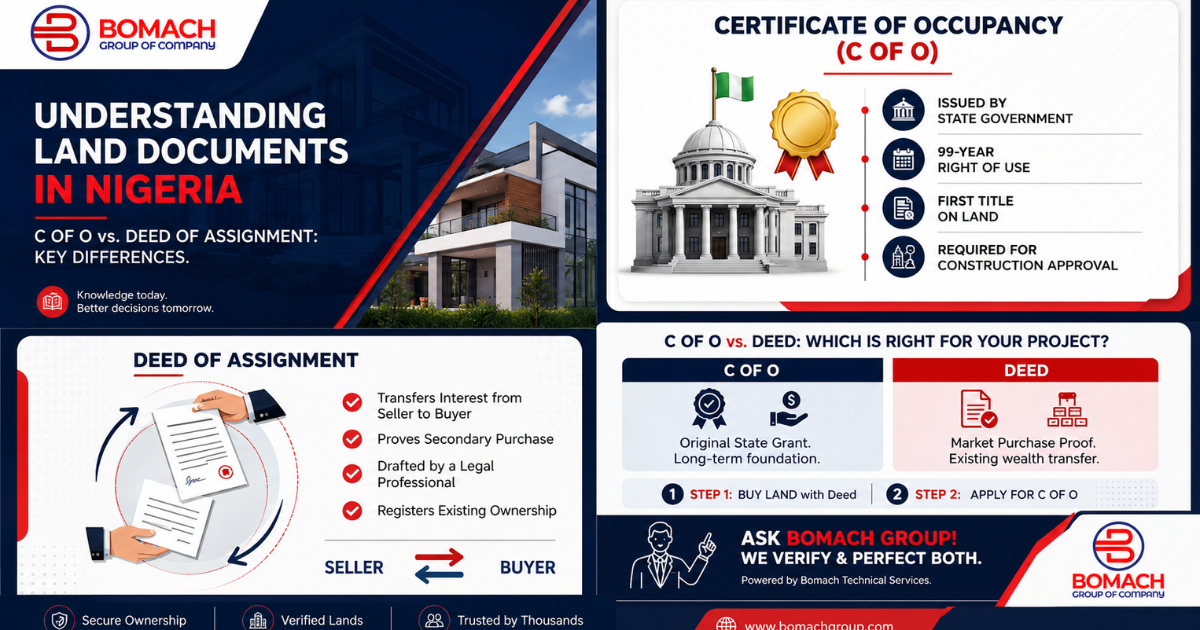
Safe home construction begins with verified property ownership, proper documentation, surveying and a clear understanding of applicable planning requirements.
7. People Build for a Future That May Never Arrive
For many Nigerians in the diaspora, building at home is connected to the dream of eventually returning.
The house represents retirement, dignity, security and reconnection with family.
However, life continues to change.
Children grow up abroad and establish their own lives. Health needs become more important. Careers extend longer than expected. The planned return is repeatedly postponed.
Pánsá Pánsá describes how some African immigrants work multiple jobs, support relatives, and postpone present comfort while saving to build large homes in their countries of origin. The house becomes proof that the journey and sacrifice were meaningful, even when the owner rarely occupies it.
In some of the stories shared by the publication, owners never lived in the retirement homes they spent years constructing.
Other houses became difficult to maintain or were eventually sold because the next generation had little interest in inheriting them.
The lesson is not that Nigerians abroad should stop building at home.
The lesson is that a retirement or family house should be connected to a realistic lifestyle plan.
Who will use the property?
Who will maintain it?
How often will the owner visit?
Can part of it generate income?
Will the children want it?
Would a smaller, secure and easier-to-maintain home provide more value?
A building should serve the owner’s life. The owner should not sacrifice an entire life to serve a building.
The Hidden Cost of Building Too Big
A large house does not stop consuming money after construction.
It requires cleaning, repairs, painting, security, electricity, water, landscaping, and periodic replacement of damaged fittings.
An oversized house in a location where the owner rarely stays may gradually become a burden.
Empty rooms collect dust.
Water damages ceilings.
Vegetation takes over the compound.
Security becomes difficult.
Relatives begin arguing over access and ownership.
The building that was supposed to represent peace begins creating anxiety.
This is why size should never be confused with value.
A well-planned three-bedroom home that is completed, occupied, and properly maintained can create more real value than a ten-bedroom mansion that remains unfinished for twenty years.
How Nigerians Can Actually Build Their Dream Homes
Start With the Life, Not the Building
Before choosing a design, define the life the house is expected to support.
Consider the number of permanent occupants, lifestyle, work arrangements, expected visitors, accessibility needs, location, and long-term plans.
Design for everyday living first. Occasional events should not determine the entire size of the building.
Obtain a Realistic Construction Budget
Do not begin construction with only an estimated foundation cost.
Get a professional breakdown of the entire project, including structural work, roofing, electrical installations, plumbing, finishes, external works, professional fees and contingency costs.
Knowing the likely completion cost may force difficult decisions, but those decisions are easier before construction begins.
Choose a Design That Can Expand
A dream home does not have to be completed in its largest possible form immediately.
A well-designed bungalow can include provisions for future extensions. A compact duplex can be planned so that additional facilities can be introduced later without destroying completed work.
Build what you can finish now while protecting the ability to expand later.
Prioritise Function Before Luxury
Secure the land.
Complete the structure.
Make the building weatherproof.
Install essential plumbing and electricity.
Finish the rooms needed for occupancy.
Move in.
Decorative cladding, luxury ceilings, elaborate landscaping and entertainment facilities can be added later.
A functional house is better than an impressive construction site.
Protect the Land Before Breaking Ground
Confirm ownership and boundaries.
Review the available title documents.
Conduct the necessary searches.
Use qualified surveyors and property professionals.
Understand the planning rules that apply to the location.
The first investment in a dream home should be certainty.
Use Proper Supervision
Appoint competent professionals to monitor construction, verify materials, check measurements, control quality and document progress.
For diaspora owners, insist on structured reporting rather than informal updates.
Reports should include dated photographs, completed quantities, expenses, receipts, upcoming activities and identified risks.
Build for Peace, Not Applause
Family opinions will always exist.
Neighbours will always compare buildings.
Social media will always display a more luxurious house.
But the owner is the person who must pay for, complete, maintain and live in the property.
The best dream home is not necessarily the biggest house on the street.
It is the house that gives its owner security, comfort and peace without destroying their financial future.
Chinedu Finally Changed the Plan
After years of waiting, Chinedu eventually returned to the site with a different question.
He no longer asked, “How can I complete the mansion?”
He asked, “What kind of home can my family realistically complete and enjoy?”
The project was reviewed. Unnecessary spaces were removed. Some areas were redesigned. The finishing specifications were simplified. Construction was divided into manageable stages.
The new plan was less impressive on paper.
But for the first time, it was achievable.
Chinedu did not abandon his dream.
He removed the pressure, pride and excess that had prevented the dream from becoming a home.
That may be the decision many Nigerian building owners need to make.
Your Dream Home Must Become a Plan
Most unfinished homes did not begin with bad intentions.
They began with excitement.
A piece of land was purchased. An architect produced a beautiful design. Blocks arrived at the site. Family members celebrated.
But excitement cannot replace planning.
Before starting your building project in Nigeria, translate the dream into numbers, phases, responsibilities, and realistic decisions.
At Bomach Group, we believe the journey towards home ownership should begin with verified property, proper surveying, secure documentation and a development plan that reflects the owner’s actual goals.
The objective should not simply be to start building.
It should be to complete a safe, functional and valuable home that you and your family can genuinely enjoy.
Do not build the house people expect you to display.
Build the home your life can sustain.