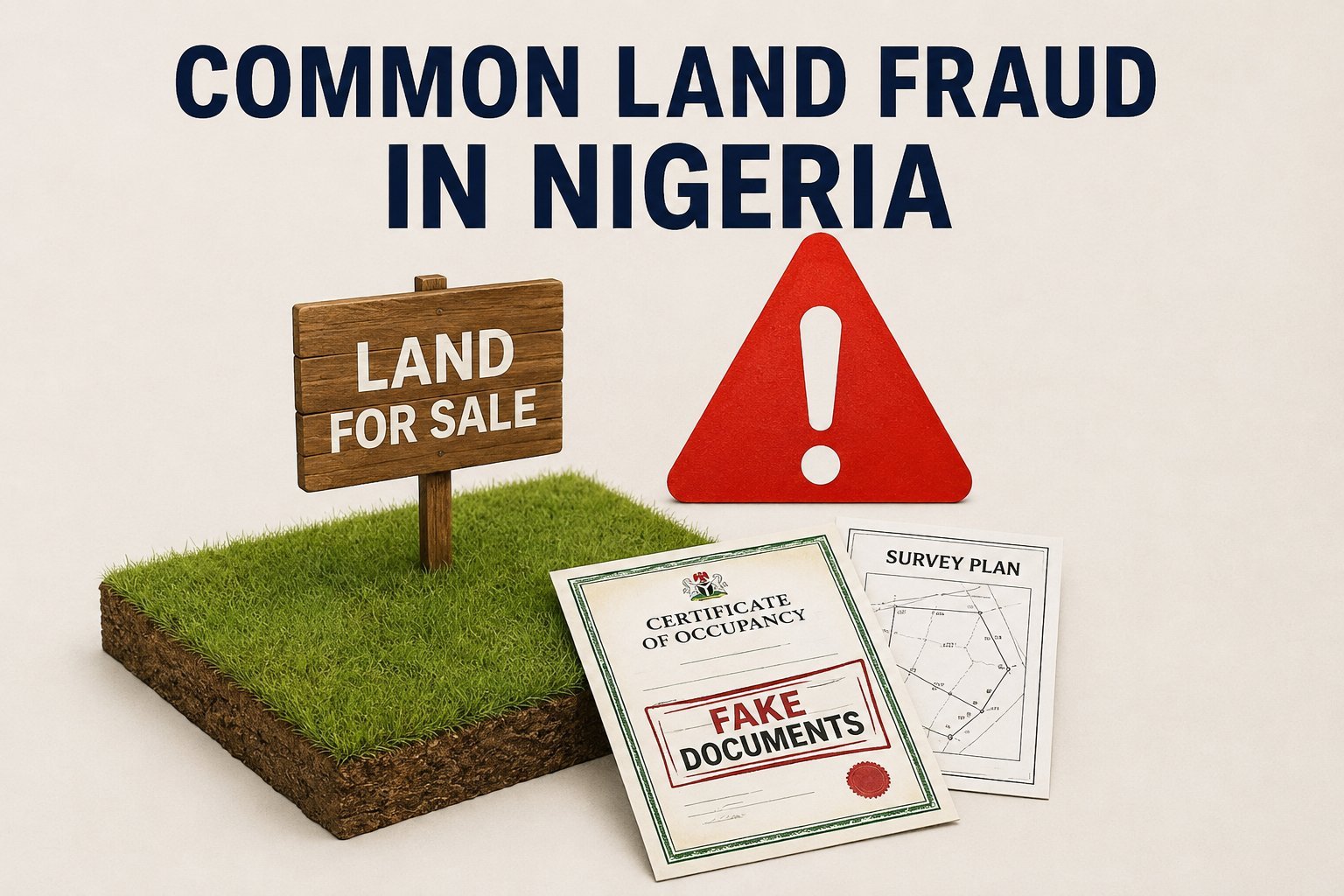
Common Land Fraud in Nigeria: 10 Scams Every Buyer Should Know About
Buying land is one of the biggest financial decisions many Nigerians will ever make.
For some people, it's the first step toward building their dream home. For others, it's an investment they hope will grow in value over time.
Unfortunately, not every land transaction ends well.
Every year, thousands of Nigerians lose money to land scams. Some discover the problem immediately, while others find out years later when they try to build, sell, or process documents.
The painful part is that many of these situations could have been avoided with proper verification.
If you're planning to buy land, here are some of the most common land fraud schemes in Nigeria and how you can protect yourself.
1. Fake Documents
This is probably one of the oldest tricks in the book.
A seller presents what appears to be genuine property documents. Everything looks legitimate on the surface, and because the documents seem official, the buyer proceeds with the transaction.
Later, they discover that some or all of the documents were forged.
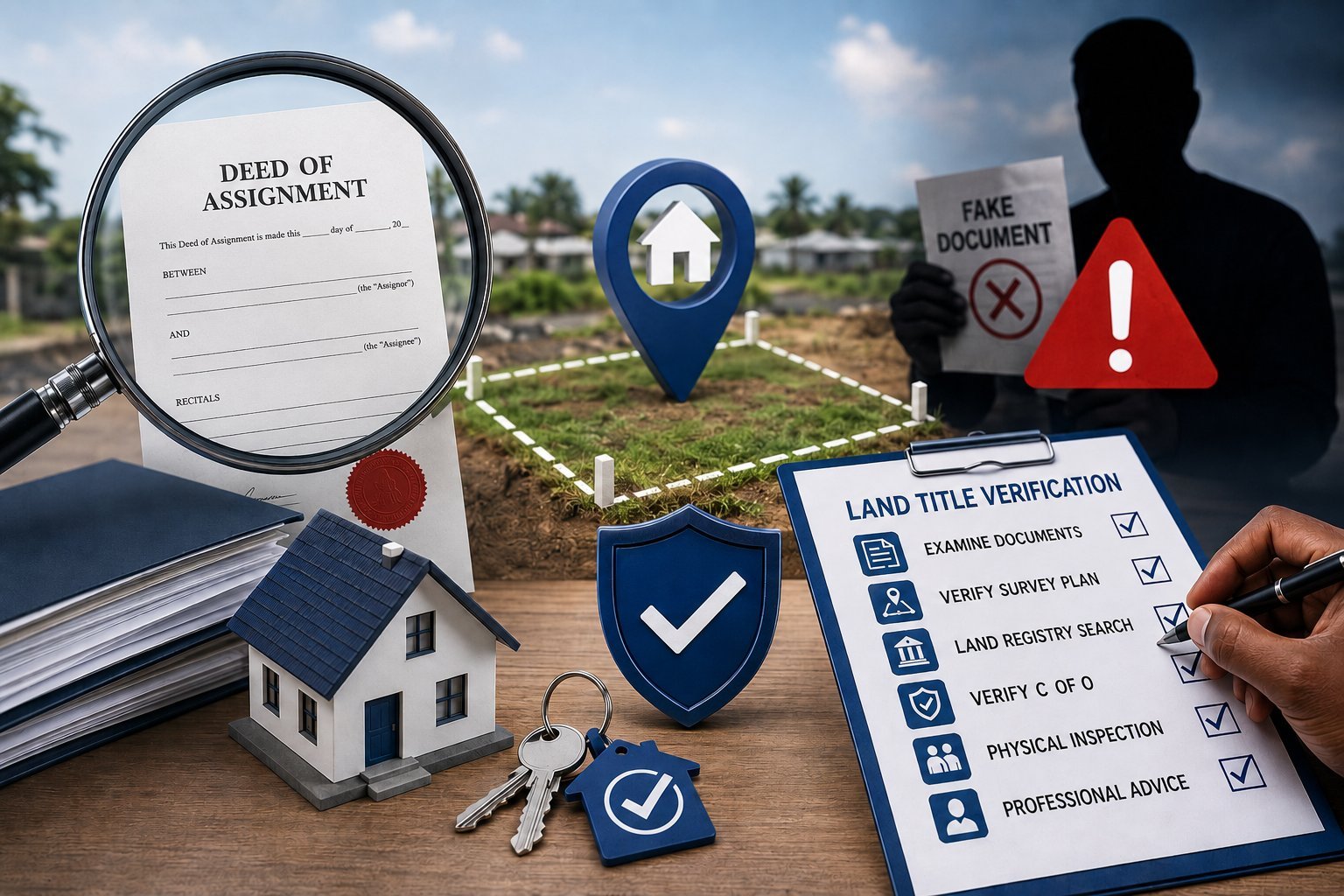
This is why it is never enough to simply look at documents. They should always be verified through the appropriate channels.
2. One Land, Multiple Buyers
Imagine paying for a plot of land only to discover that three other people have receipts and documents for the same property.
It happens more often than many people realize.
Some dishonest sellers deliberately sell the same land to multiple buyers, especially in areas experiencing rapid development.
By the time the issue surfaces, the seller may have disappeared, leaving everyone involved in a legal dispute.
3. Land Under Government Acquisition
Not every piece of land available for sale can legally be developed.
Some lands have already been acquired or reserved by the government, yet they still find their way into the market.
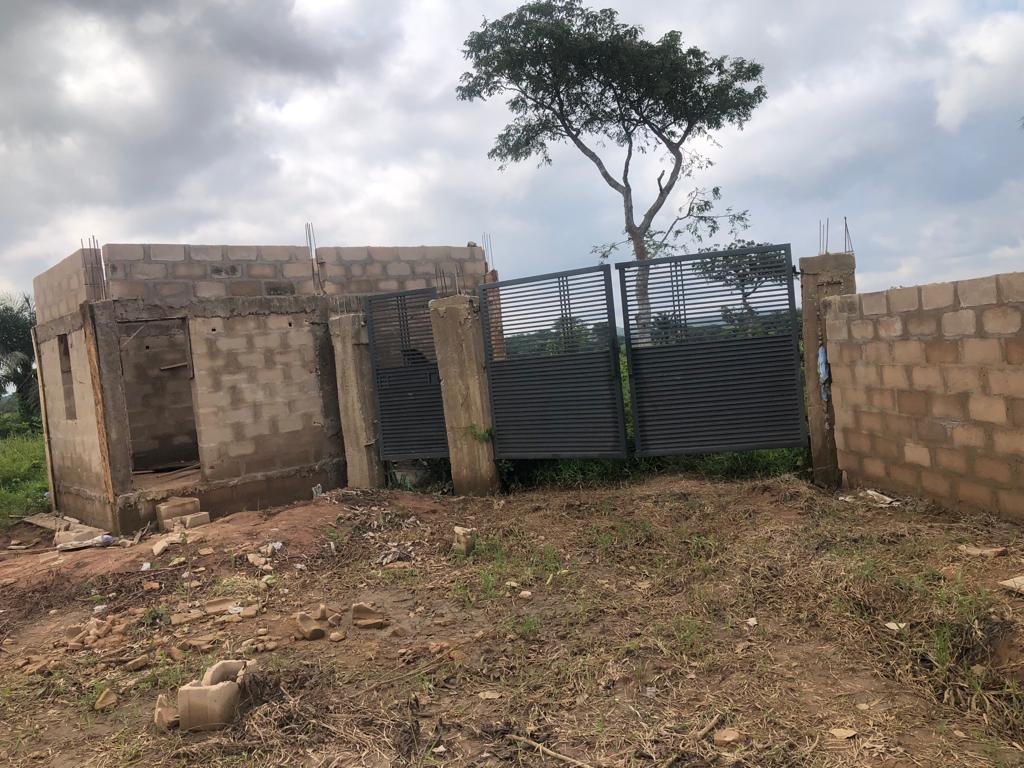
A buyer may happily purchase the property and even begin construction, only to later discover that the land falls within a government acquisition area.
That mistake can be extremely costly.
4. Fake Family Representatives
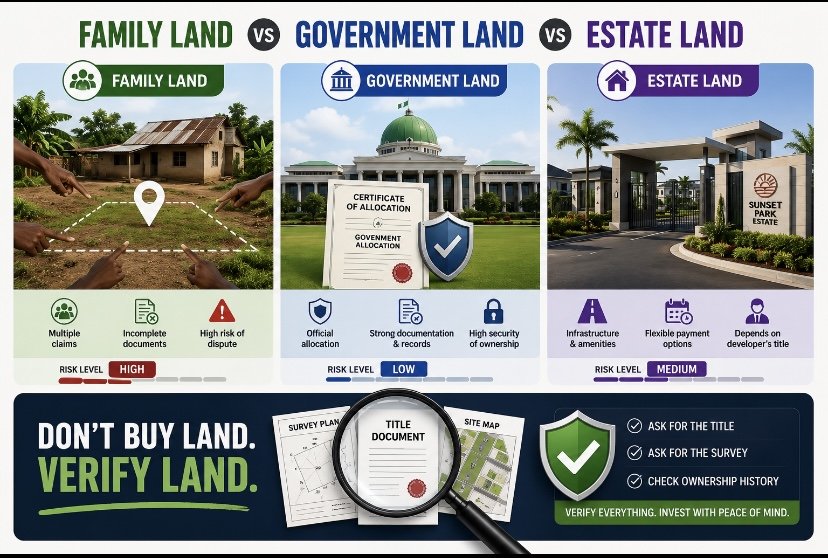
In many communities, land is owned by families rather than individuals.
Problems arise when someone claims to represent the family and sells land without the knowledge or approval of the actual owners.
The buyer may complete the transaction thinking everything is in order, only for other family members to challenge the sale later.
Before buying family-owned land, it's important to confirm that everyone who needs to be involved is genuinely involved.
5. People Selling Land They Don't Own
It sounds unbelievable, but it happens.
Some individuals attempt to sell land that does not belong to them.
They may have access to the property, know the area well, or even have a convincing story, but none of that gives them the legal right to sell it.
This is why ownership verification is so important before making any payment.
6. Wrong Location, Wrong Boundaries
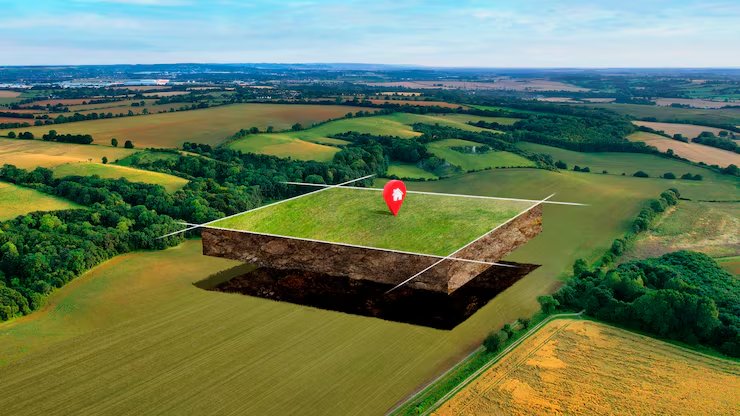
Sometimes the land shown during inspection is not the same land reflected in the documents.
In other situations, the size of the property is exaggerated to make the deal seem more attractive.
A buyer may think they're paying for a larger or better-located plot, only to discover the truth later.
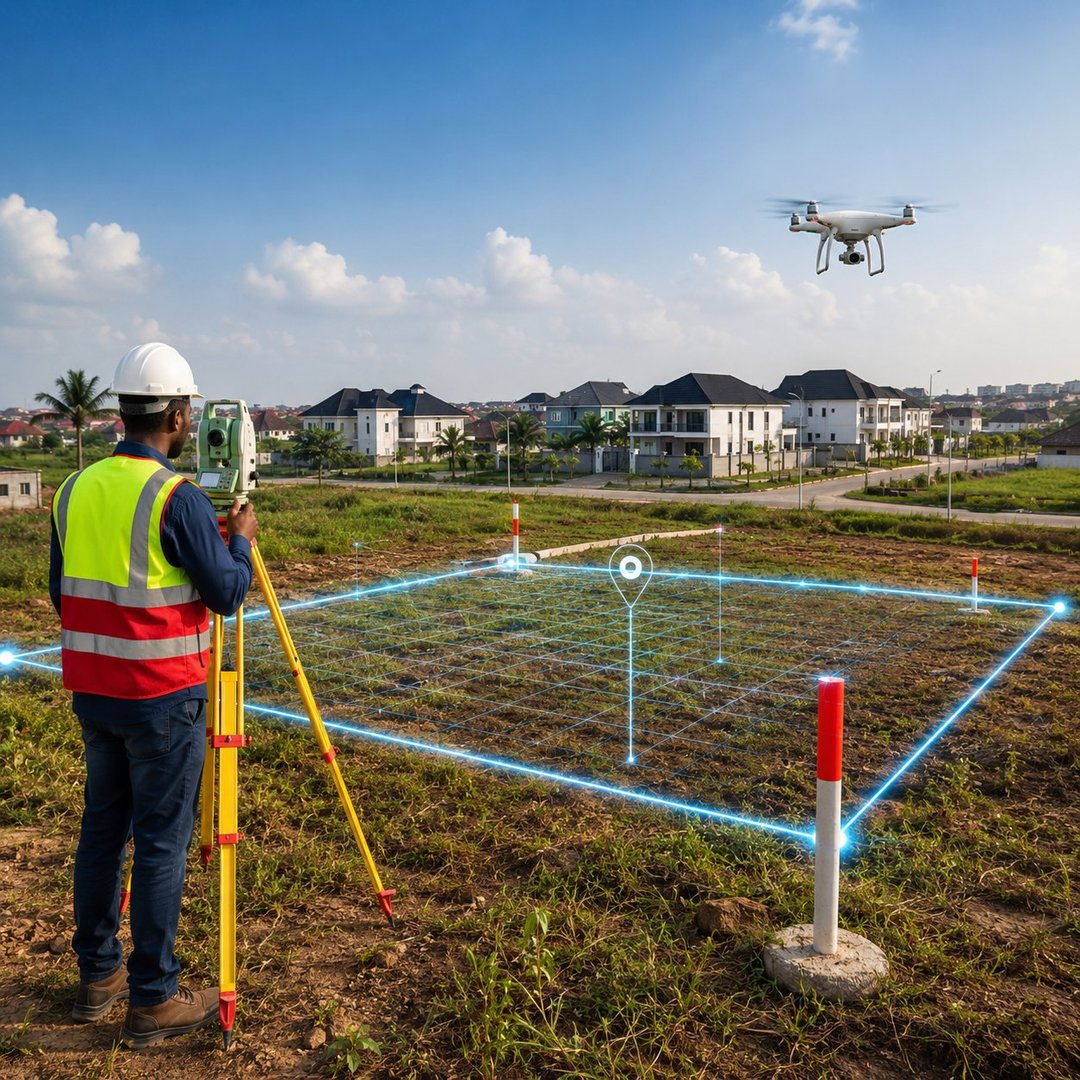
A proper survey can help prevent this problem.
7. Fake Real Estate Companies
Social media has made it easier than ever for scammers to appear legitimate.
A professional logo, attractive graphics, and a well-designed website can create the impression of a credible company.
But appearances can be deceptive.
Before making any commitment, take time to research the company, visit their office if possible, and ask questions about previous projects.
8. Impersonating Trusted Companies
Some fraudsters take things a step further by pretending to work for reputable real estate companies.
They create fake social media pages, clone websites, and use unofficial payment accounts to deceive unsuspecting buyers.
Many people only realize they have been scammed after the money has already been transferred.
Always communicate through verified company channels and confirm payment details directly.
9. Selling Property That Doesn't Exist
This scam often targets people living outside the state or outside the country.
A buyer sees photos online, receives impressive documentation, and is convinced to make payment without visiting the location.
The problem?
The property either doesn't exist or doesn't belong to the seller.
No matter how convincing the presentation may be, nothing replaces proper inspection and verification.
10. Deals That Sound Too Good to Be True
Everyone loves a bargain.
But when a property is being sold for a fraction of what similar properties in the area cost, that should raise questions.
Scammers often use extremely low prices to create urgency and prevent buyers from conducting proper checks.
In real estate, rushing is one of the fastest ways to make a costly mistake.
So, How Can You Stay Safe?
The truth is that most land scams can be avoided.
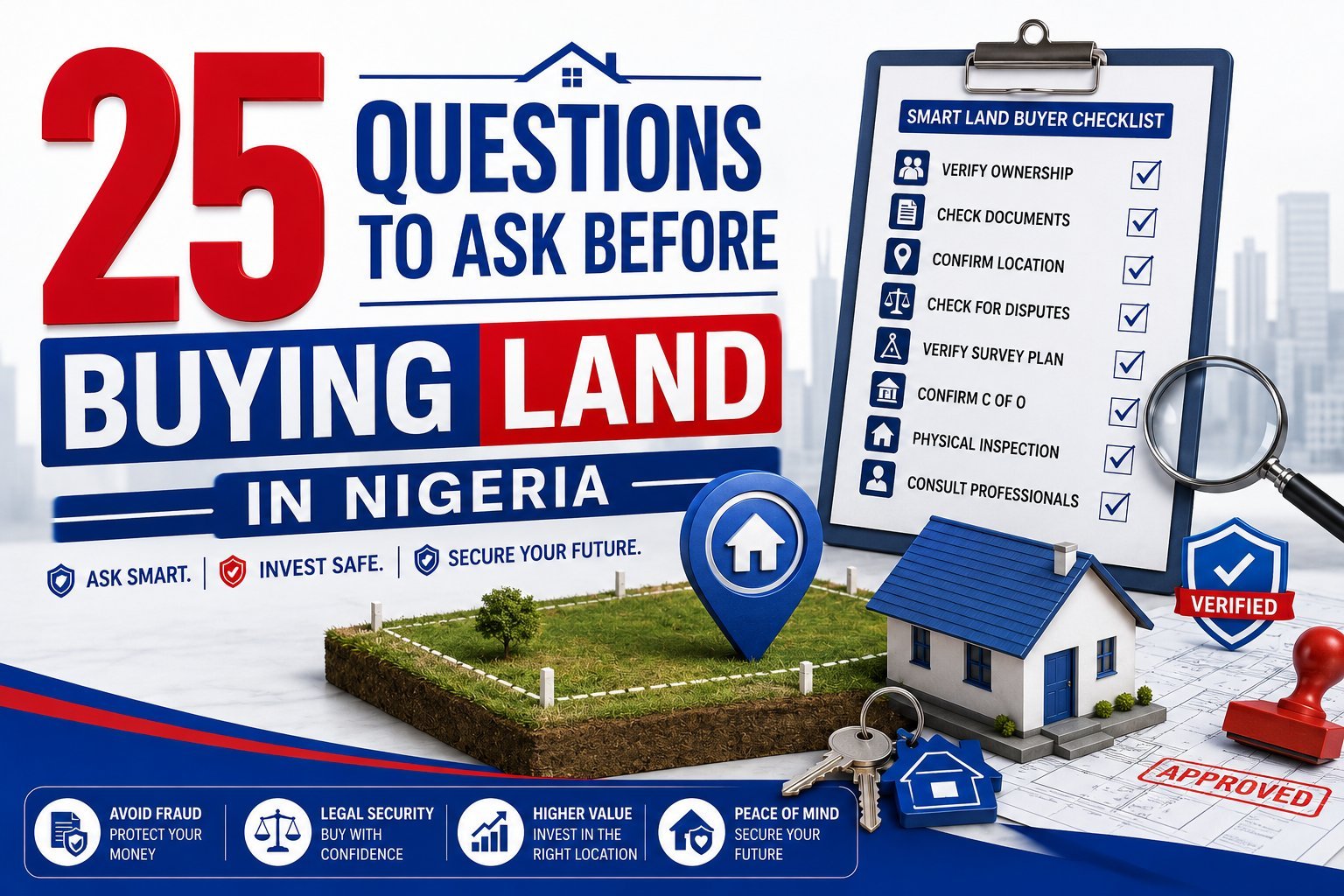
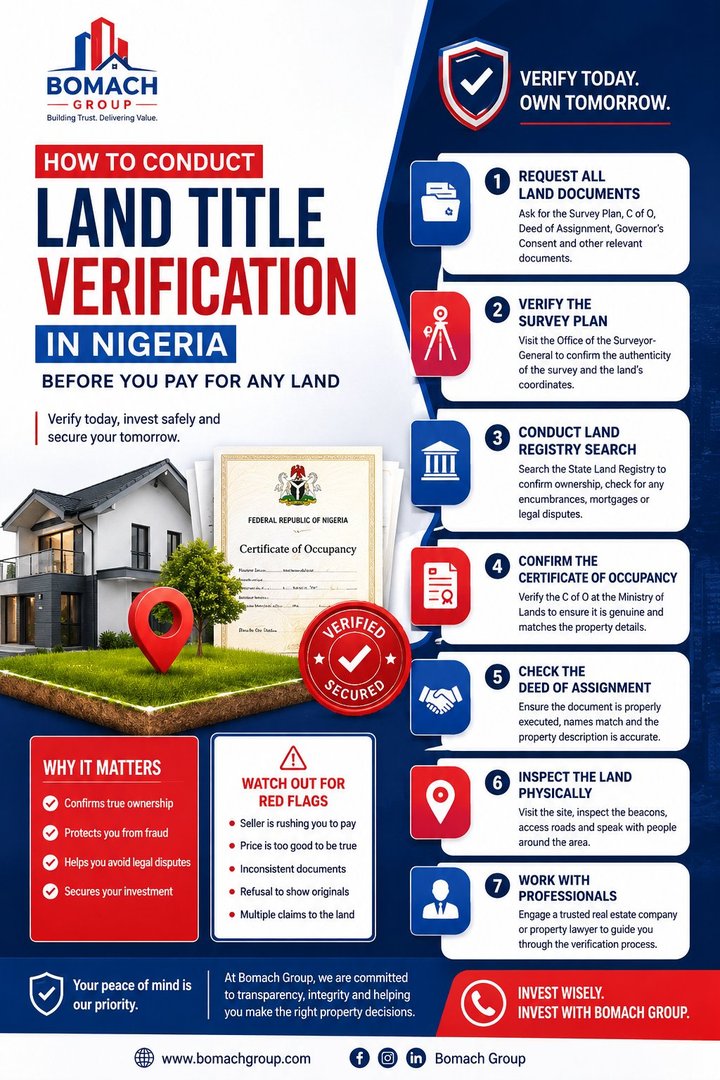
Before buying any property:
Visit the site yourself or a virtual video of the site by a registered agent or company
Verify ownership.
Confirm the land is free from government acquisition.
Check survey details and boundaries.
Review all documents carefully.
Work with qualified professionals.
Never allow pressure or excitement to replace due diligence.
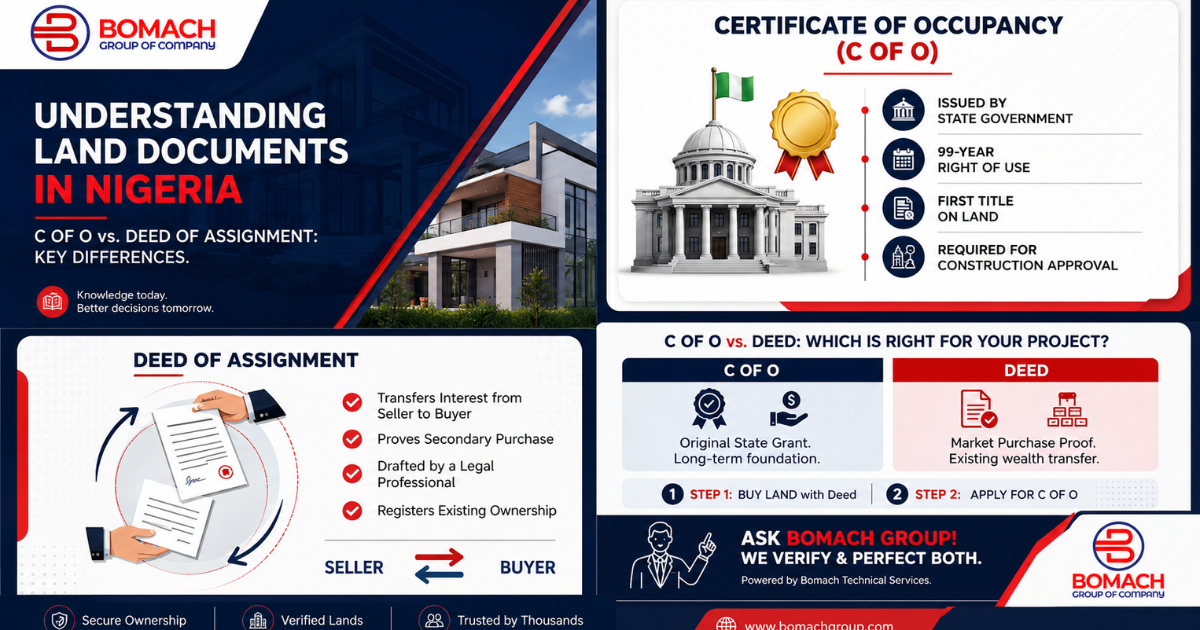
That's why you need to go through a vetted and trusted company like Bomach that checks all the boxes when it comes to avoiding common land fraud that buyers suffer in Nigeria
A Simple Rule Every Buyer Should Remember
Don't buy land because it looks good.
Don't buy land because it's cheap.
Don't buy land because someone says it's a hot investment.
Buy land only after you've confirmed that what you are paying for is exactly what you're getting.
Final Thoughts
Land remains one of the best investments in Nigeria, but it rewards careful buyers more than quick buyers.
A few days spent verifying a property can save you years of stress, financial loss, and legal battles.
When it comes to land, peace of mind is just as important as ownership.
Take your time. Ask questions. Verify everything.
Your future self will thank you for it.