Family Land vs Government Land vs Estate Land: Which One Is the Safest Investment in Nigeria?
A Plot of Land, Three Owners, and One Painful Mistake
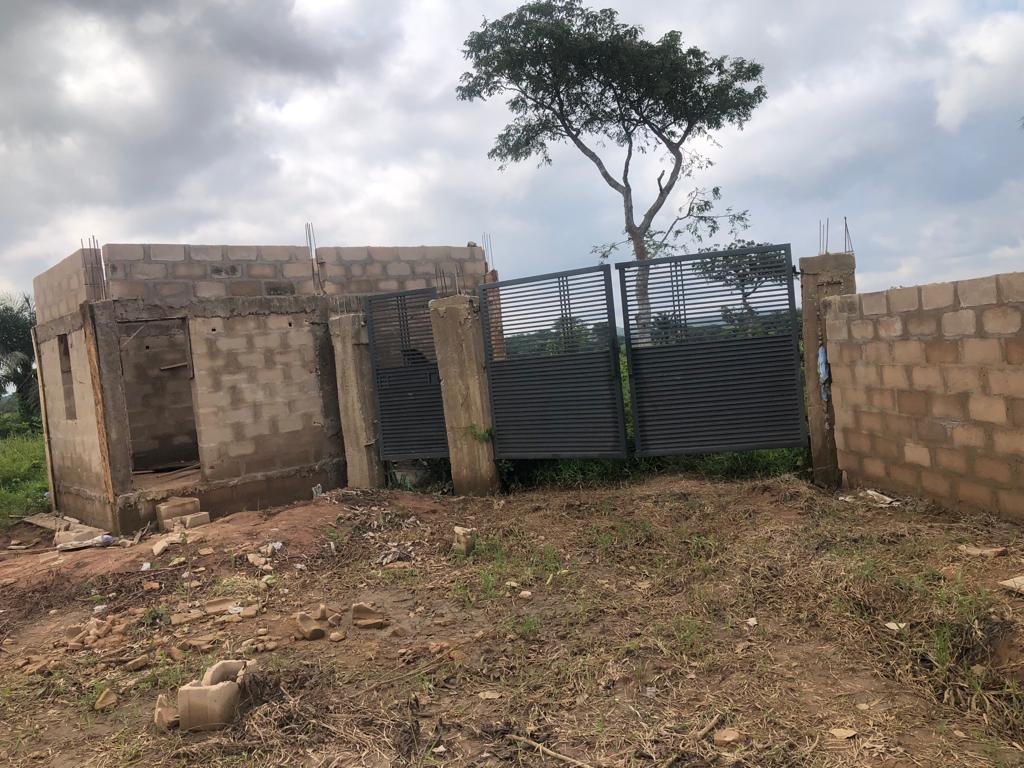
A man finally decided to invest in land.
He had spent years saving money and found a plot in a promising location. The seller was confident. The price looked attractive. The documents appeared genuine.
Everything seemed perfect.
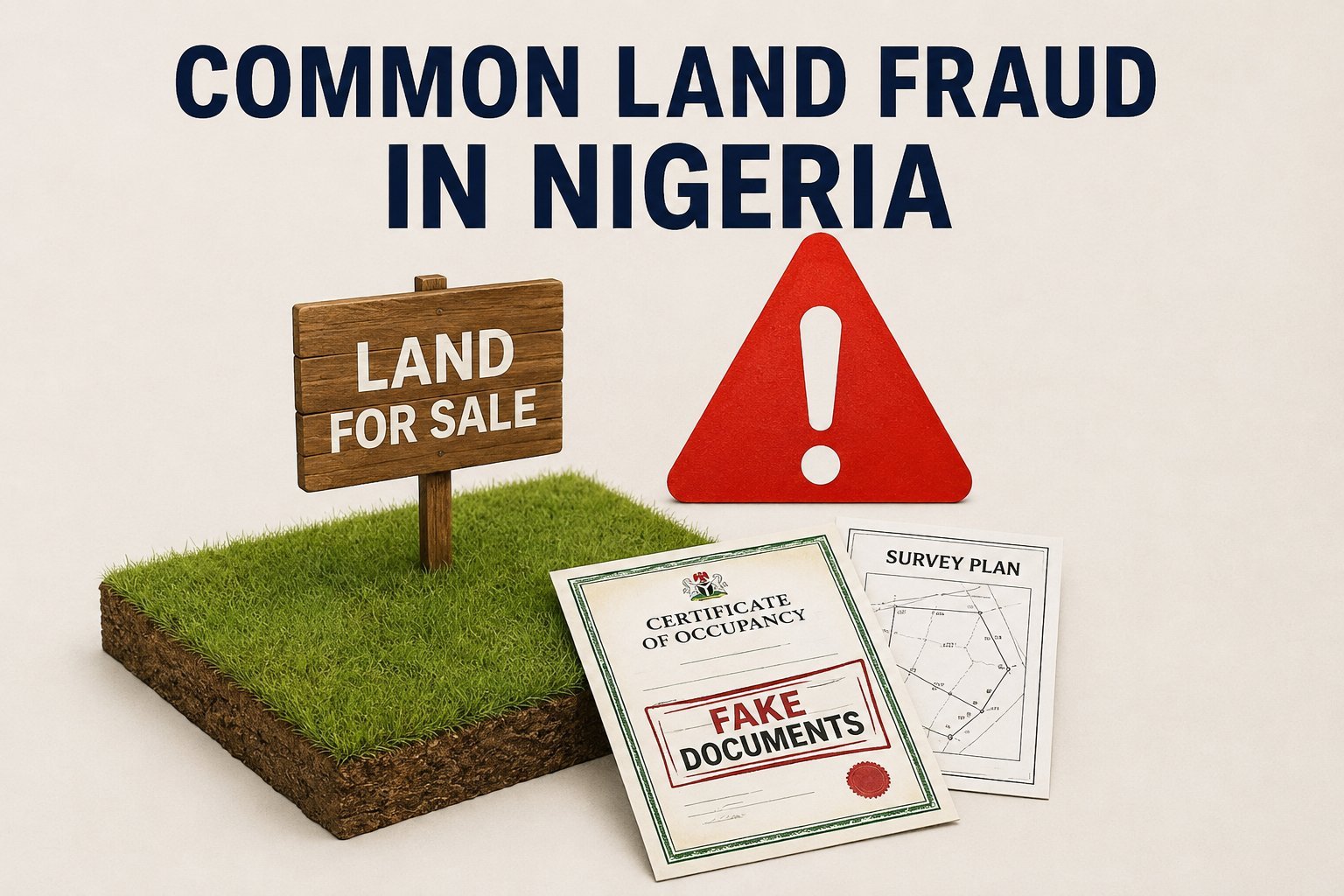
Until one day, another person appeared claiming ownership of the same land.
Then another person came forward.
And another.
What was supposed to be a lifetime investment suddenly became a legal battle filled with stress, financial loss, and uncertainty.
Unfortunately, stories like this are not uncommon in Nigeria.
The painful truth is this:
Not all land is the same, and not every land transaction carries the same level of risk.
Many buyers ask one question before making payment:
“How much is the land?”
But experienced investors ask a more important question:
“Where is this land coming from, and who has the legal right to sell it?”
Before investing in property, you will commonly encounter three major types of land in Nigeria:
Family Land
Government Allocation of Land
Estate Development Land
Understanding the difference between them can save you from expensive mistakes.
1. Family Land in Nigeria: Affordable but Requires Serious Verification
Family land is land inherited and jointly owned by members of a family or ancestral lineage. It is one of the oldest and most common forms of land ownership in Nigeria.
Because family land is often sold directly by the original owners, it may sometimes be available at a lower price compared to other types of land.
However, the lower cost often comes with a higher responsibility for due diligence.
Common Risks Associated With Family Land
Multiple Sales of the Same Land
One of the most common issues with family land is that different members of the same family may sell the same plot to different buyers.
A person may purchase land believing everything is legitimate, only to discover later that another individual has a competing claim.
Lack of Proper Family Consent
In many cases, the person selling the land may not have obtained the approval of all necessary family representatives.
A transaction carried out without proper authorization can later become the subject of dispute.
Boundary and Ownership Disputes
Some family lands have unresolved boundary disagreements with neighboring communities or internal disagreements among family members.
These conflicts can affect a buyer’s ability to peacefully use the property.
Is Family Land a Bad Investment?
No.
Many successful properties in Nigeria were originally family lands.
However, purchasing family land requires thorough investigation, proper documentation, a registered survey where applicable, and legal verification before payment.
2. Government Allocation of Land: More Structured but Often More Expensive
Government allocation of land refers to land allocated by the government to individuals, organizations, or companies through established administrative processes.
Because the government is the source of the allocation, many buyers consider it a more structured and secure option.
Advantages of Government Allocation OF Land
Better Documentation Process
Government-allocated land generally follows official procedures and documentation requirements.
Lower Risk of Multiple Ownership Claims
Since the allocation originates from government records, the chances of several private individuals claiming ownership are generally reduced.
Greater Confidence for Long-Term Investment
For investors who prioritize documented ownership and a formal process, government land can provide a greater sense of security.
Possible Challenges
Government allocation may come with:
Higher acquisition costs.
Administrative procedures.
Processing fees and documentation requirements.
Longer timelines before some approvals are completed.
Therefore, buyers should still verify the allocation documents and ensure all necessary processes have been completed.
3. Estate Land in Nigeria: Convenience, Infrastructure, and Organized Development
Estate land is property developed and sold by a real estate company or property developer.
This option has become increasingly popular among Nigerians because of its convenience and the added benefits that many estates provide.
These may include:
Planned layouts.
Access roads.
Drainage systems.
Security features.
Electricity infrastructure.
Flexible payment plans.
However, buying from an estate developer does not mean you should ignore due diligence.
The Most Important Question to Ask a Developer
Before purchasing estate land, ask:
“Does the developer have a genuine and verifiable title to this property?
A beautiful estate gate, attractive advertisements, or a flexible payment plan do not replace proper land verification.
A responsible buyer should request information about:
The root of the title.
Survey plans.
Ownership history.
Relevant land documents.
The developer’s legal authority to sell the property.
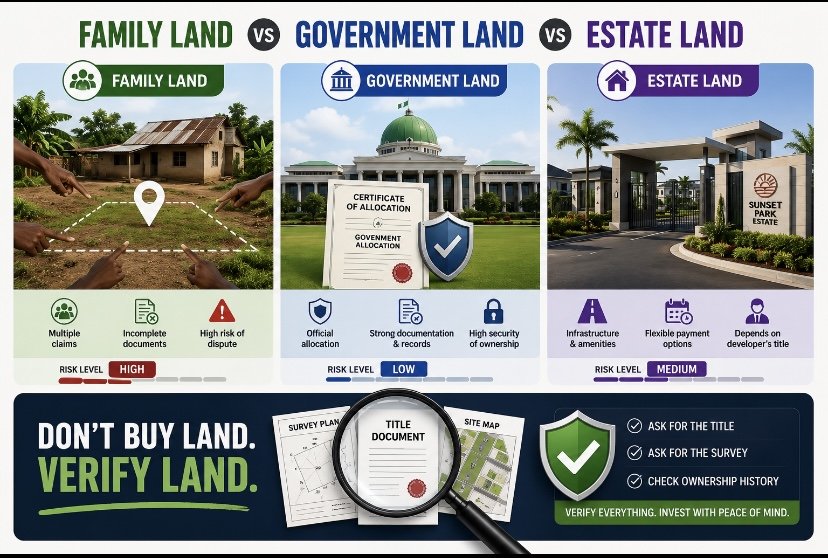
Family Land vs Government Land vs Estate Land: Understanding the Key Differences
Before investing in any property, it is important to understand where the land is coming from. The source of a land can determine the level of risk involved, the type of documentation required, available infrastructure, and payment options.
Family Land
Family land is usually more affordable compared to other land categories, making it attractive to many first-time buyers and investors. However, it often carries a higher risk of ownership disputes, especially when proper verification is not carried out. Buyers must confirm the true owners, ensure that all necessary family representatives consent to the sale, and carefully verify every document before making payment.
Government Land
Government-owned land generally comes with more structured documentation and a lower risk of multiple ownership claims. However, it is often more expensive, and payment terms may be less flexible. Buyers still need to conduct proper verification to ensure the land has the right approvals and legal status before proceeding.
Estate Land
Estate land is usually developed and managed by a private real estate company or developer. Its value often depends on the location, level of development, and available infrastructure such as roads, electricity, drainage, security, and other amenities. Many estate developers offer flexible payment plans, making it easier for buyers to spread their payments. However, buyers must still verify the developer’s title documents and confirm the legitimacy of the estate.
So, Which Type of Land Is the Safest Investment in Nigeria?
The truth may surprise you:
No type of land is automatically 100% safe.
A family land can be a great investment when properly verified.
A government allocation can become problematic if documents are not properly processed.
An estate land can also become risky if the developer does not have a valid title.
The safest investment is not determined only by whether the land is family, government, or estate land.
The safest investment is one that has undergone proper verification.
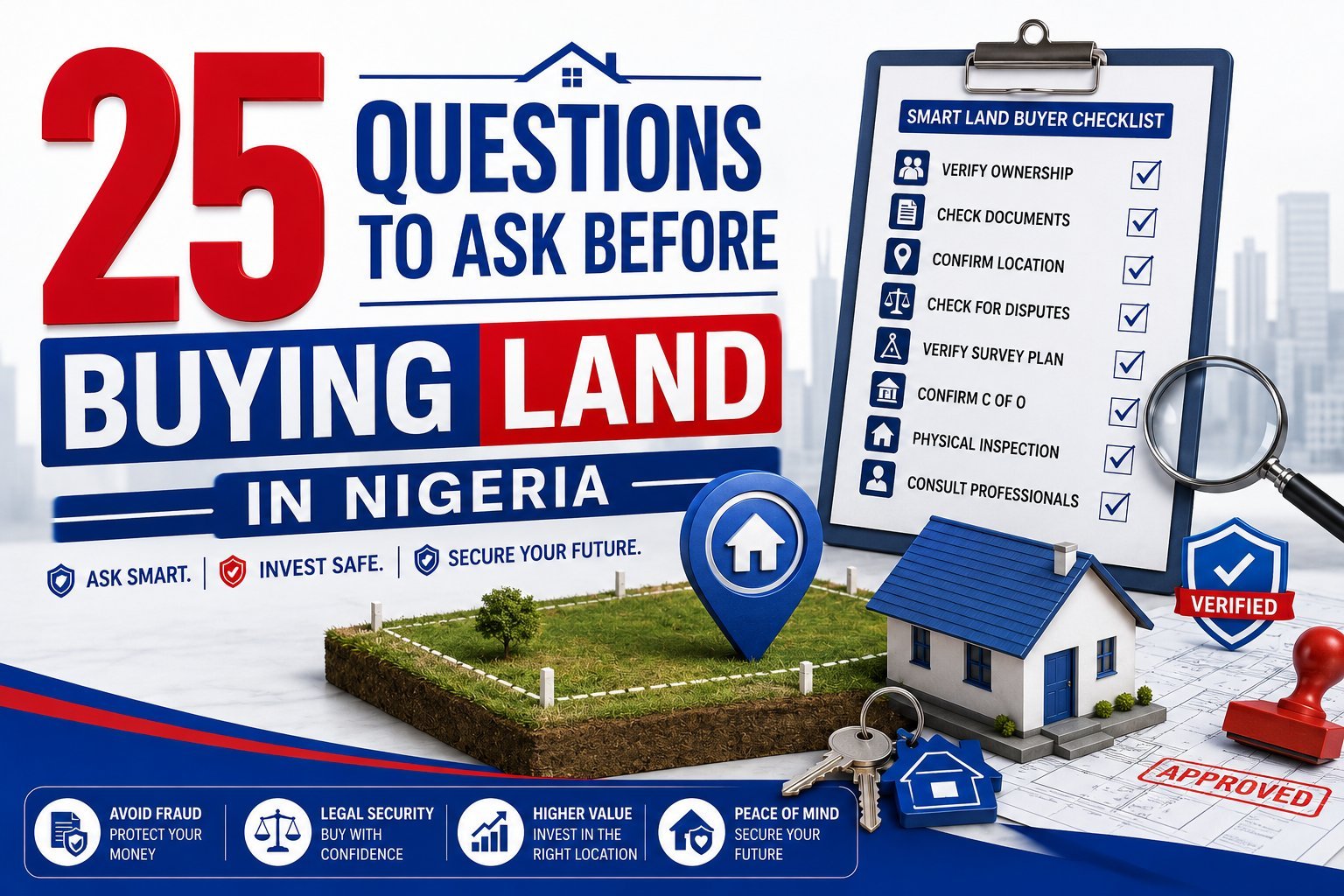
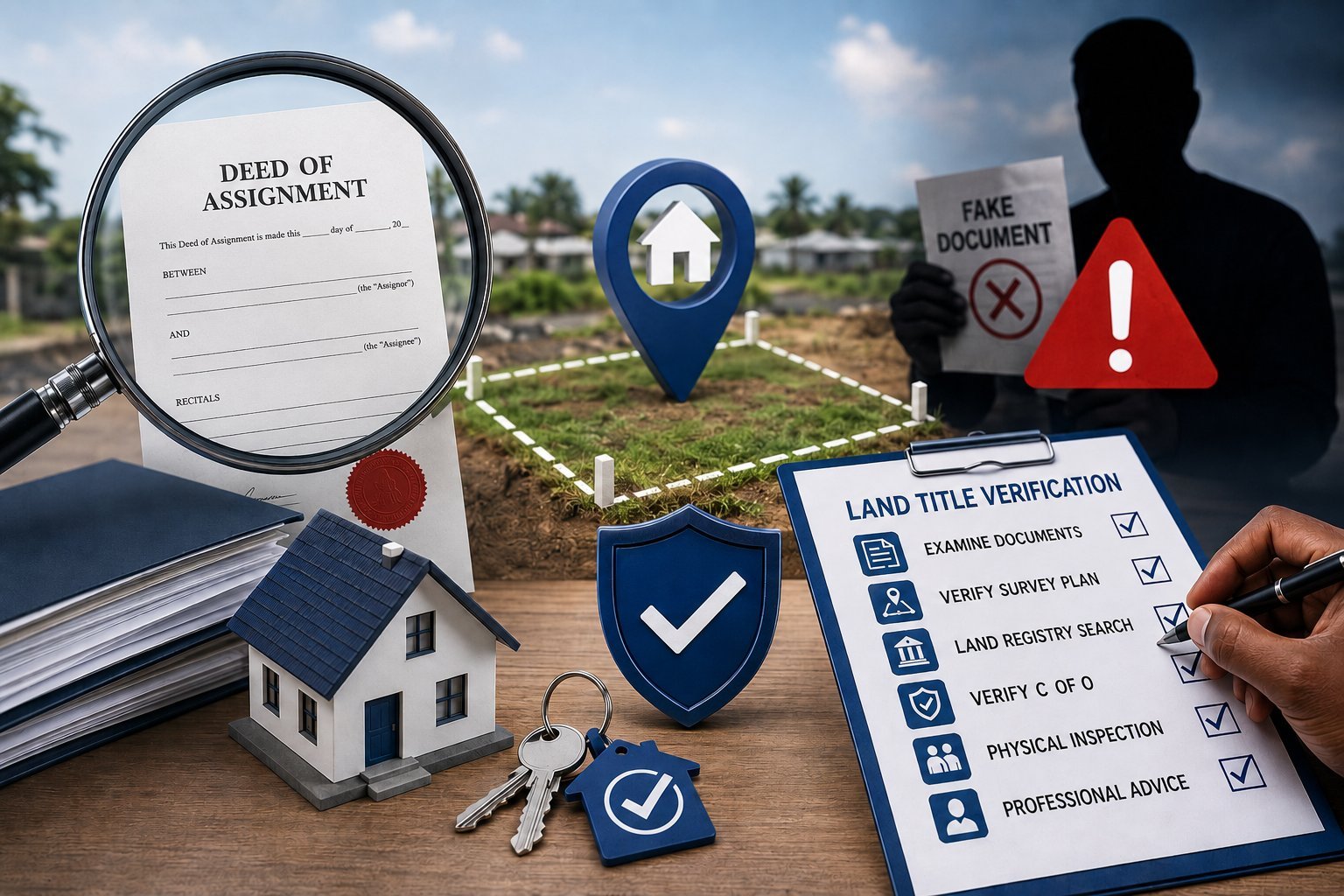
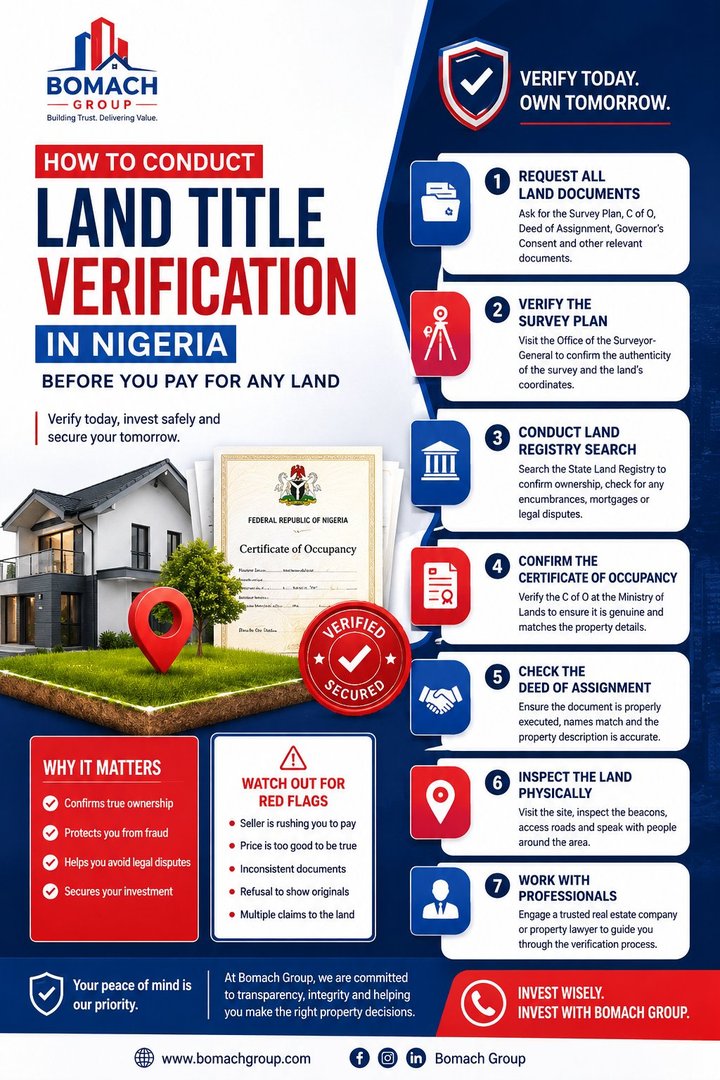
How to Protect Yourself Before Buying Any Land in Nigeria
Before making payment for any property, ensure you:
✔ Confirm the actual owner of the land.
✔ Investigate the history and source of ownership.
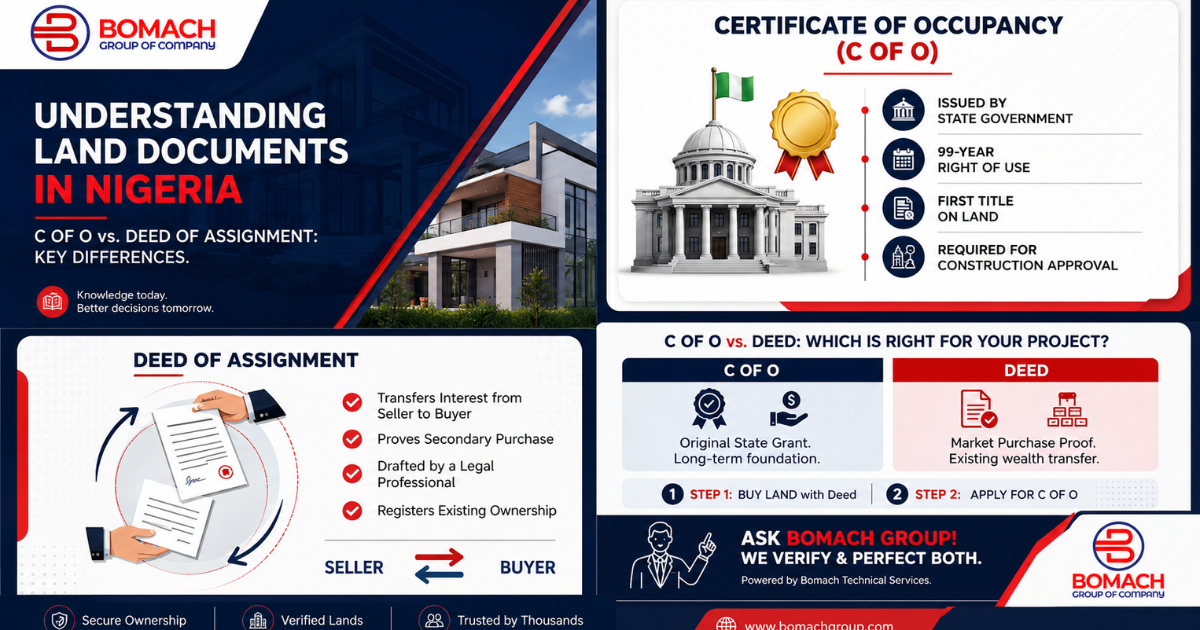
✔ Verify land documents.
✔ Confirm the survey plan.
✔ Check for disputes, government acquisition, or encumbrances.
✔ Consult qualified professionals such as surveyors and property lawyers.
✔ Avoid rushing because of low prices or limited-time offers.
Remember:
A cheap land with unresolved problems can become the most expensive mistake of your life.
Invest With Confidence Through Proper Verification
At Bomach Group, we understand that real estate is more than a transaction; it is a major investment that should provide peace of mind.
That is why we believe every investor deserves transparency, proper information, and a clear understanding of the property they are acquiring.
Whether you are considering family land, government allocation, or estate development land, the most important step is proper verification before making any commitment.
The goal is not just to own land.
The goal is to own land with confidence, security, and peace of mind.
Final Thoughts
The next time someone offers you a cheap plot or a “once-in-a-lifetime deal,” do not let the price be the only thing that influences your decision.
Ask questions.
Ask for the title.
Ask for the survey.
Ask for the ownership history.
Verify everything.
Because a few days spent conducting proper verification today could save you years of legal battles and financial regret tomorrow.
Need guidance on verified real estate opportunities and professional property consultation?
Visit www.bomachgroup.com or contact the Bomach Group team for professional assistance on your real estate journey.