How to Conduct Land Title Verification in Nigeria (Before You Pay for Any Land)
Have you ever heard someone say, "I bought land, but I didn't buy from the original seller"?
Sadly, stories like this are common in Nigeria.
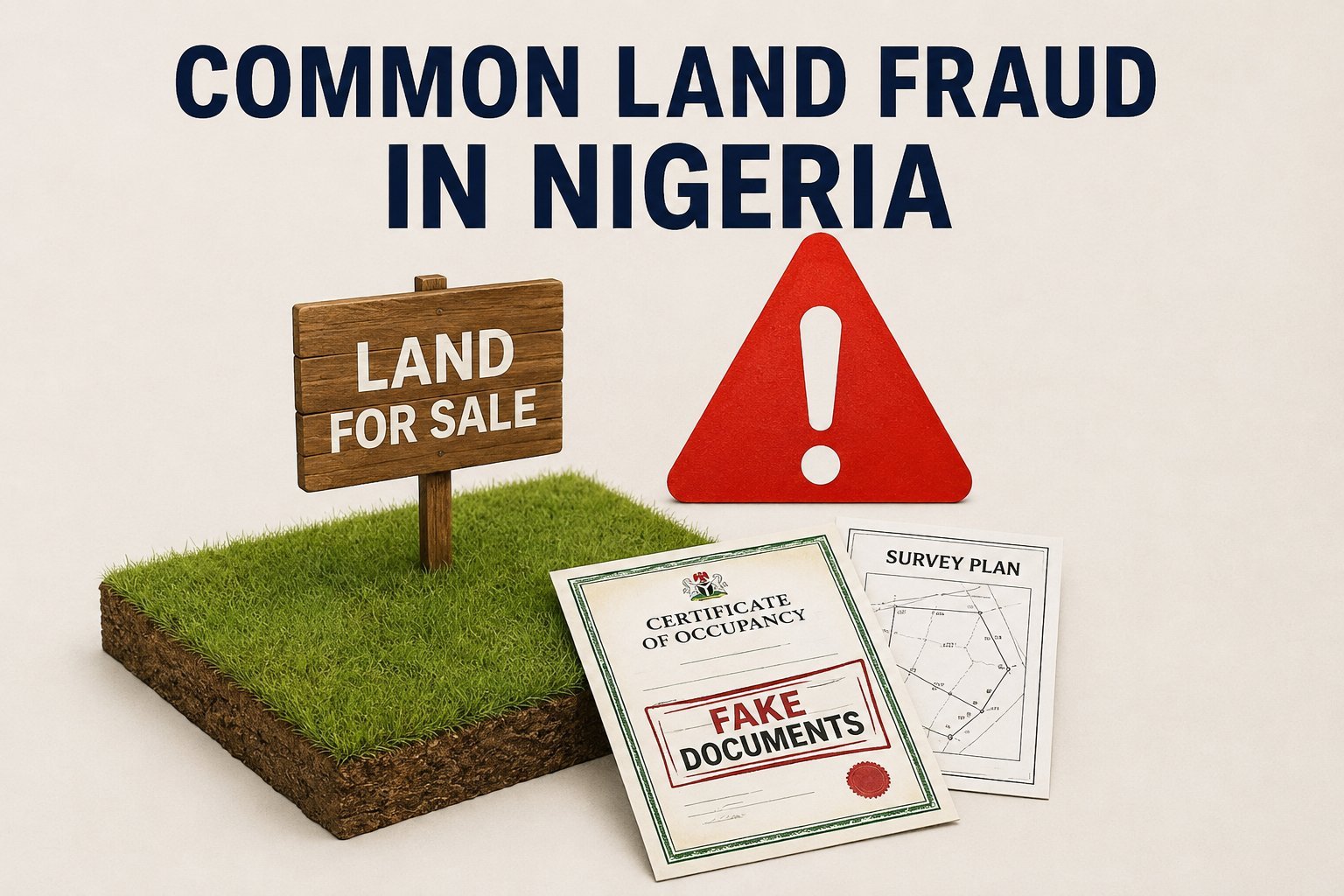
A lot of people work for years, save money, and finally decide to invest in land, only to discover later that the documents were fake, the property belonged to someone else, or the government had already acquired the land.
The good news is that most of these problems can be avoided.
Before paying for any property, you need to carry out what is called land title verification.
In this guide, we'll explain, in simple terms, how to verify a land title in Nigeria and protect yourself from costly mistakes.
What is Land Title Verification?
Land title verification simply means checking that a piece of land truly belongs to the person selling it and confirming that all the documents attached to the property are genuine.
Think of it this way:
You wouldn't buy a car without checking the papers or confirming the owner. Land shouldn’t be different.
A proper land verification process helps you know:
Who actually owns the land.
Whether the documents are authentic.
If the land has been sold before.
Whether there are court cases or disputes.
If the government has any claim over the property.
Doing these checks before payment can save you a lot of stress and money.
Why is Land Title Verification Important?
Many land fraud cases happen because buyers trust words instead of documents.
Sometimes, the seller may not even be the rightful owner.
Other times, the documents may look original but are actually forged.
Imagine paying millions of naira today and discovering next year that the land belongs to someone else.
That is why experienced real estate investors always say:
"Verify first, pay later.
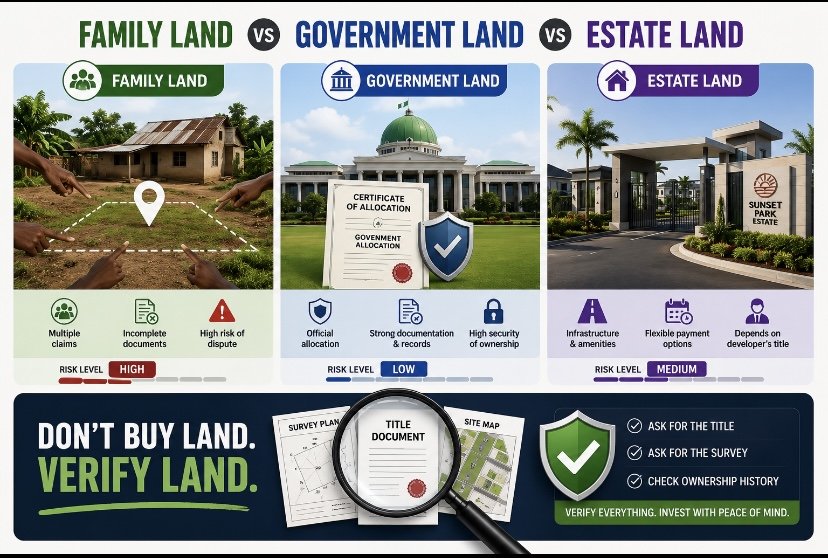
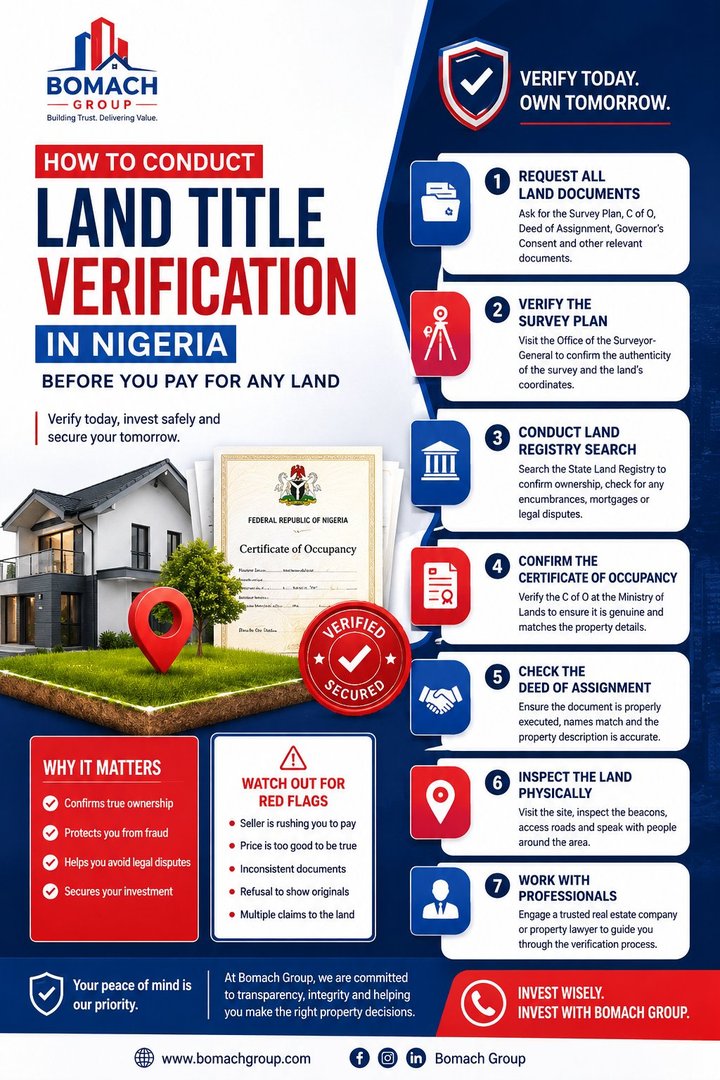
Step 1: Ask for the Land Documents
The first thing you should do is request all available documents relating to the property.
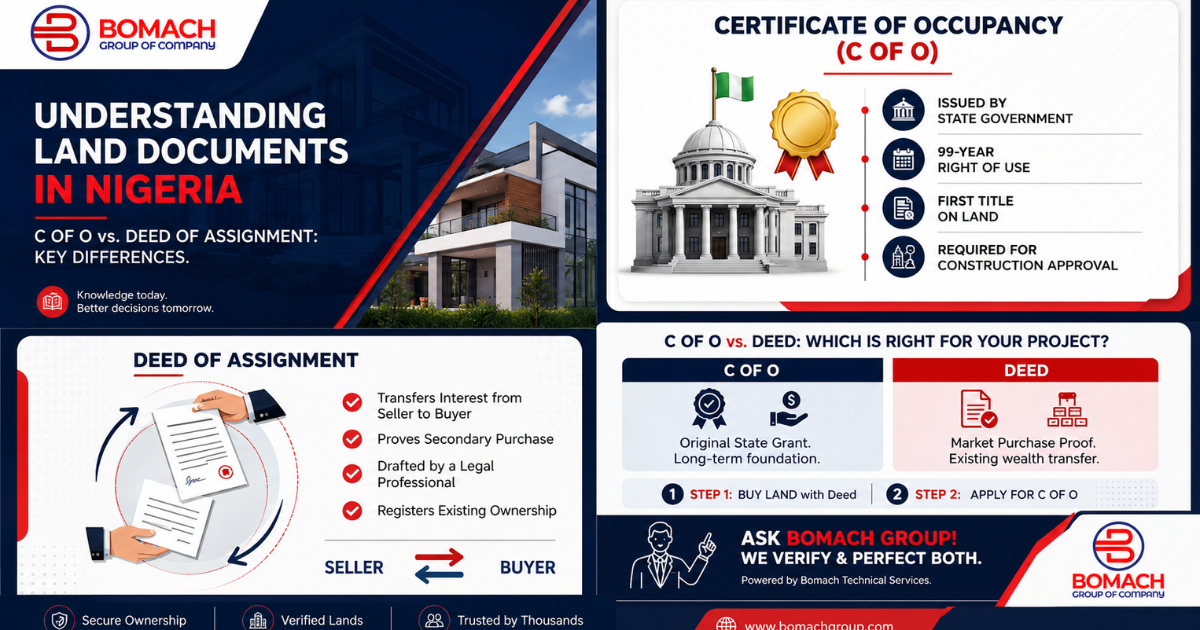
Some of the common land documents in Nigeria include:
Survey Plan
Deed of Assignment
Certificate of Occupancy (C of O)
Governor's Consent
Gazette or Excision
Allocation Letter (where applicable)
A genuine seller should have no problem showing you these documents.
If someone keeps giving excuses or tells you to pay first before seeing the papers, that's a major red flag.
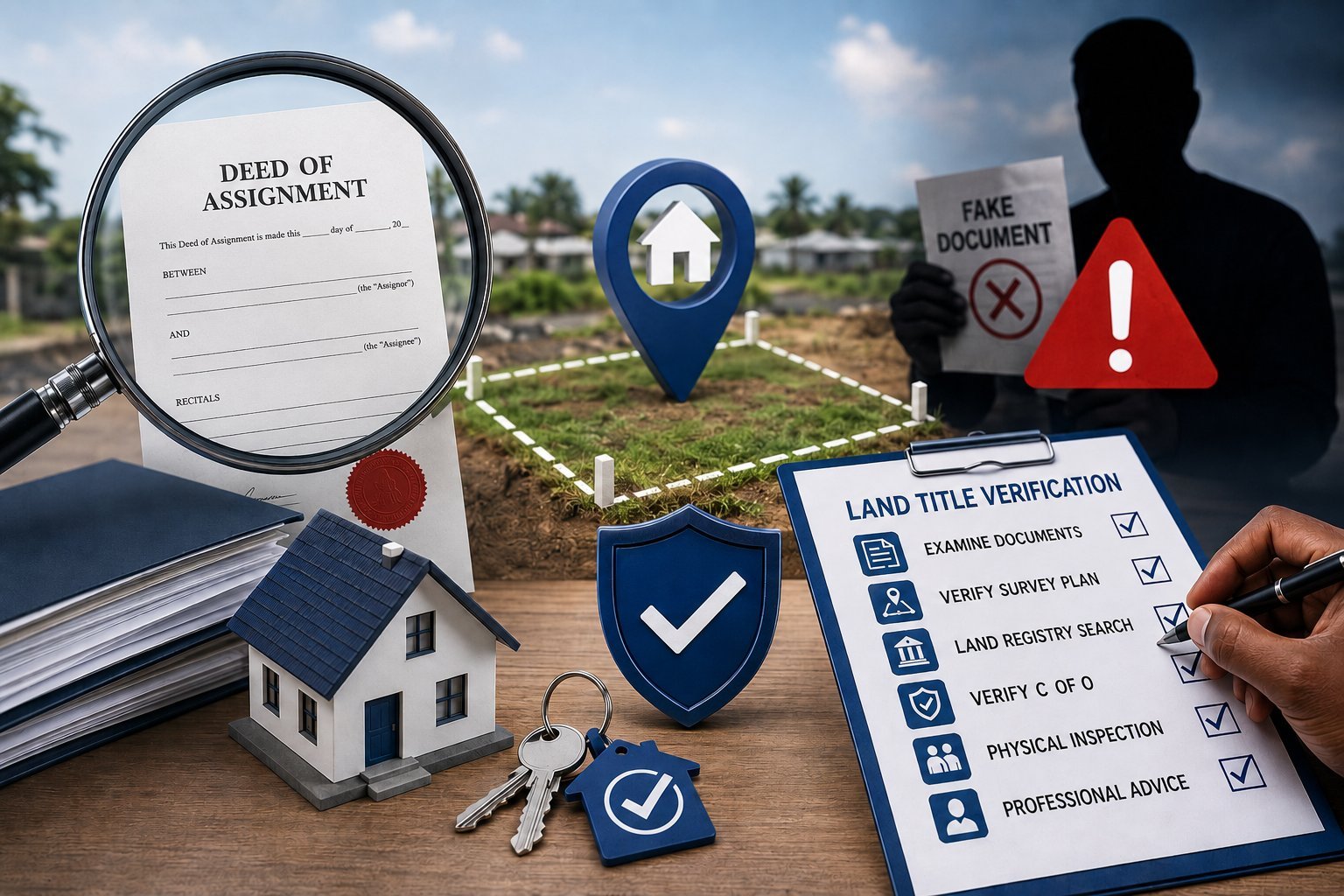
Step 2: Verify the Survey Plan
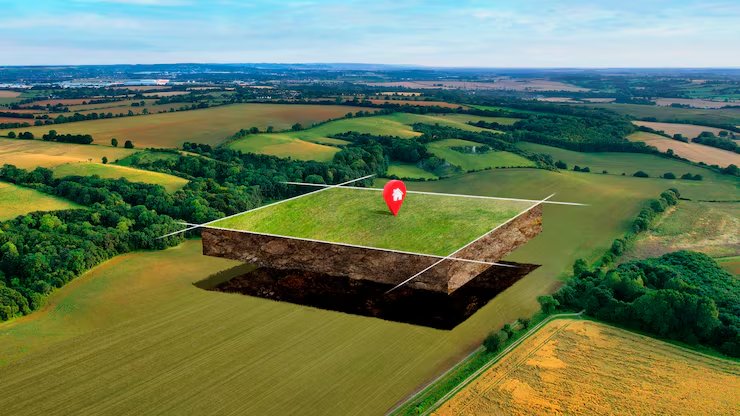
The survey plan is like the fingerprint of the land.
It contains the exact location and coordinates of the property.
Take the survey plan to the Office of the Surveyor-General in the state where the land is located.
The officials can help confirm:
Whether the survey is genuine.
If the coordinates match the actual location.
Whether the land falls under government acquisition.
Many people have avoided scams simply because they verified the survey before making a payment.
Step 3: Conduct a Land Registry Search
The next step is to visit the State Land Registry.
This is where official records of registered properties are kept.
A land registry search helps you find out:
The true owner of the property.
Whether the title document is registered.
If there are mortgages or legal issues attached to the land.
Whether there are ongoing disputes involving the property.
This simple process can reveal problems that may not be obvious at first glance.
Step 4: Confirm the Certificate of Occupancy (C of O)
A Certificate of Occupancy is one of the most recognized land title documents in Nigeria.
But don't just look at the paper and assume it is genuine.
Visit the Ministry of Lands or the appropriate government office to confirm that the C of O was actually issued and that the information matches the property you want to buy.
Step 5: Check the Deed of Assignment
A Deed of Assignment is the document that transfers ownership from one person to another.
Before accepting it, make sure:
The names are correct.
The property description matches the land.
The signatures are complete.
There are no suspicious alterations.
At Bomach Group, every property transaction comes with a professionally prepared Deed of Assignment because we believe buyers deserve proper documentation.
Step 6: Visit the Land Yourself
No matter how good the documents look, never skip a physical inspection.
Go to the site.
Walk around.
Check the survey beacons.
Talk to nearby landowners if possible.
Sometimes, a simple conversation with people living around the area can reveal information that no document will show you.
Step 7: Work with Professionals
Land transactions involve legal and technical details that many buyers may not fully understand.
Working with a trusted real estate company or property lawyer can help you avoid expensive mistakes.
Professional guidance may cost a little, but it is often far cheaper than losing your entire investment.
Common Signs of Land Fraud
Be extra careful if you notice any of these:
The seller is rushing you to pay.
The price seems unbelievably cheap.
The names on the documents don't match.
The seller refuses to provide original documents.
Different people claim ownership of the same land.
If something doesn't feel right, don't ignore your instincts.
Pause the transaction and verify everything properly.
Final Thoughts
Buying land is one of the smartest investments you can make, but only when you do it the right way.
Never allow excitement or pressure to make you skip the verification process.
Take your time.
Check the documents.
Verify the survey.
Search the Land Registry.
Inspect the property.
Ask questions.
And most importantly, work with trusted professionals.
At Bomach Group, we believe that every buyer deserves peace of mind. That's why we encourage proper land title verification before every property transaction and ensure that all our properties have gone through these processes before we sell them to you.
Because at the end of the day, it's not just about owning land, it's about owning the right land.